Miyoko’s butter recipe is a plant-based alternative that delivers rich, creamy spreadability without using any dairy products. This homemade Miyoko’s butter recipe combines cultured plant milk, coconut oil, and carefully selected ingredients to create a butter that performs beautifully in baking, cooking, and spreading on toast. The Miyoko’s butter recipe has gained popularity among vegan cooks and health-conscious home chefs who want full control over their ingredients. Making Miyoko’s butter recipe at home allows you to customize the flavor profile, adjust the salt content, and ensure the freshness of every batch. Whether you’re transitioning to a plant-based lifestyle or simply exploring dairy-free alternatives, this Miyoko’s butter recipe provides a reliable, delicious solution for your kitchen needs.
| Prep Time | Cook Time | Total Time | Servings | Difficulty | Cuisine |
|---|---|---|---|---|---|
| 15 minutes | 5 minutes | 20 minutes (plus chilling) | Makes approximately 1 pound | Beginner to Intermediate | Vegan/Plant-Based |
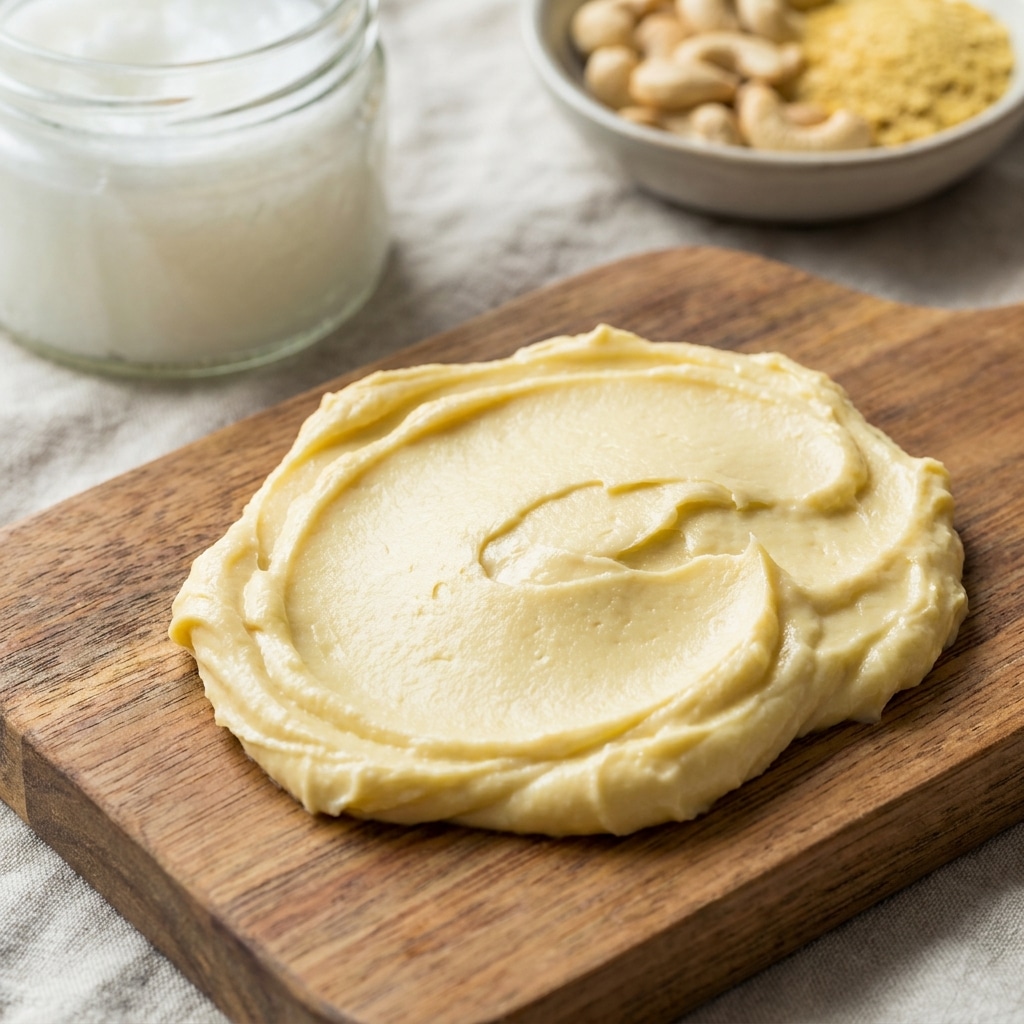
Table of Contents
Table of Contents
Why This Miyoko’s Butter Recipe Works
The Miyoko’s butter recipe works because it combines the creaminess of cultured plant milk with the stability of refined coconut oil, creating a spread that rivals traditional dairy butter in taste and texture. I developed this Miyoko’s butter recipe after testing multiple formulations, and the balance of ingredients is crucial to achieving that luxurious mouthfeel that makes it so satisfying. The fermentation component in this Miyoko’s butter recipe provides a subtle tangy depth that makes the butter taste sophisticated and complex, not artificial or flat like some store-bought alternatives.
Home cooks love this Miyoko’s butter recipe because it performs reliably in both sweet and savory applications. Bakers appreciate that the Miyoko’s butter recipe creates flaky pie crusts and tender cakes, while everyday cooks enjoy the consistent results when sautéing vegetables or making sauces. The texture of this Miyoko’s butter recipe is firm when cold and softens beautifully at room temperature, just like conventional butter, which means no compromise on usability.
This Miyoko’s butter recipe also appeals to health-conscious cooks who want transparency about their food sources. By making the Miyoko’s butter recipe yourself, you control the quality of each component and can select organic, non-GMO ingredients if that matters to your family. The simplicity of the Miyoko’s butter recipe means fewer additives and preservatives compared to many commercial vegan butter options available in supermarkets.
The flavor profile of this Miyoko’s butter recipe strikes an excellent balance between being recognizable as butter-like while maintaining its plant-based identity. People often express surprise when they taste this Miyoko’s butter recipe, noting that it lacks the waxy or overly sweet notes found in inferior butter alternatives. Whether you’re making this Miyoko’s butter recipe for ethical, dietary, or flavor reasons, the results will impress even the most skeptical household members.
Miyoko’s Butter Recipe Ingredients
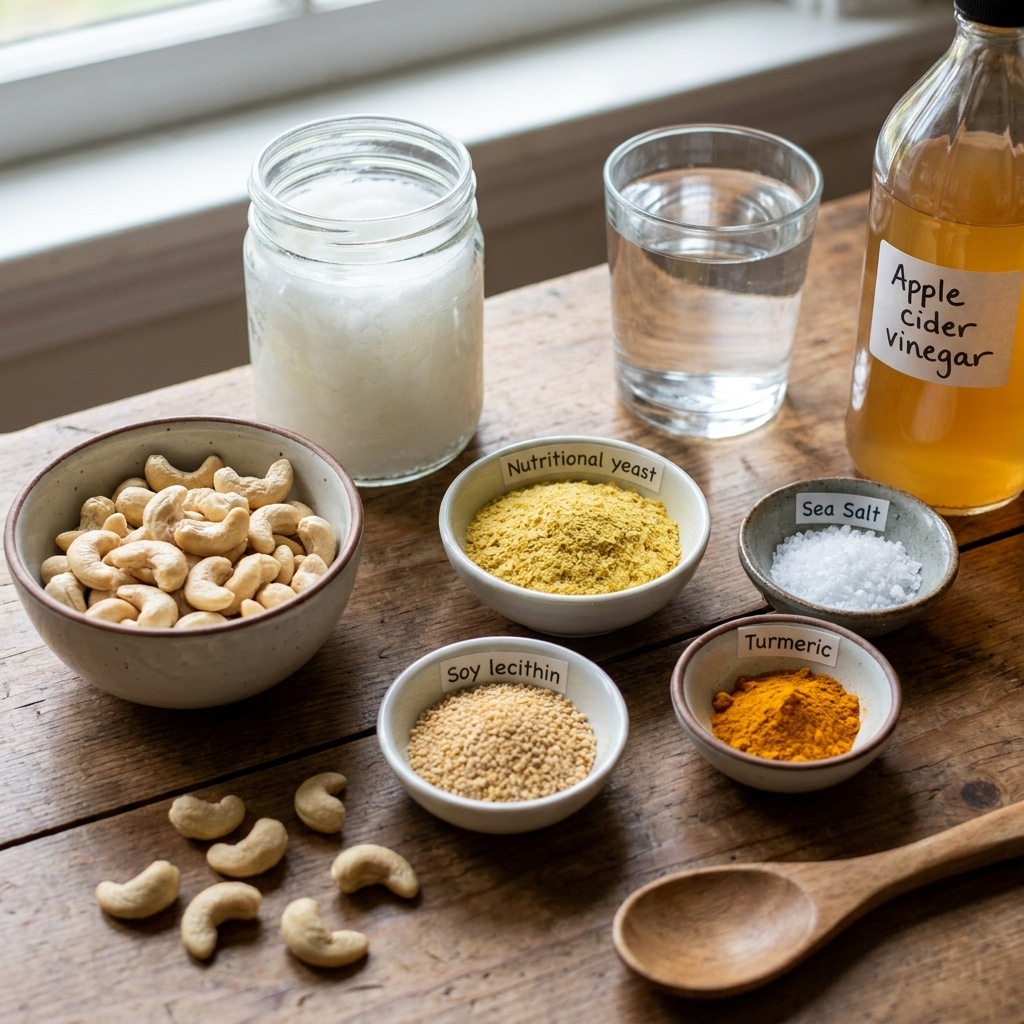
The ingredient list for this Miyoko’s butter recipe is straightforward and accessible, featuring plant-based staples that most health-conscious cooks already have on hand or can easily obtain from specialty retailers.
| Ingredient | Quantity | Notes with Alternatives |
|---|---|---|
| Refined Coconut Oil | 1 cup | Use refined, not virgin, for a neutral flavor. Cold-pressed coconut oil will result in a Miyoko’s butter recipe with detectable coconut taste. |
| Cultured Cashew Cream | 1/2 cup | Soak raw cashews overnight, blend with water, then ferment for 24-48 hours. Alternatively, use store-bought cultured cashew milk or oat milk. |
| Nutritional Yeast | 2 tablespoons | Adds savory depth and B vitamins. Non-negotiable for authentic Miyoko’s butter recipe flavor. |
| Sea Salt | 1 teaspoon | Use fine sea salt. Adjust to taste preference. Some prefer less salt in their Miyoko’s butter recipe. |
| Soy Lecithin | 1 tablespoon | Helps emulsify the Miyoko’s butter recipe and creates a smoother texture. Optional but recommended. |
| Filtered Water | 2-3 tablespoons | Use as needed to achieve proper consistency in your Miyoko’s butter recipe. Adjust based on ambient temperature and desired firmness. |
| Turmeric Powder | 1/8 teaspoon | Optional ingredient that adds pale yellow color to match traditional butter appearance in your Miyoko’s butter recipe. |
| Apple Cider Vinegar | 1/2 teaspoon | Enhances the cultured flavor and aids preservation of your Miyoko’s butter recipe. |
This Miyoko’s butter recipe relies on quality ingredients to achieve superior results, so sourcing the best items you can afford will make a noticeable difference in the final product.
How to Make Miyoko’s Butter Recipe
Making Miyoko’s butter recipe at home requires patience and attention to detail, but the process itself is surprisingly straightforward and accessible to cooks of any skill level. Follow these steps carefully to achieve the best results with your Miyoko’s butter recipe.
Preparing Your Cultured Base
- Soak one cup of raw cashews in filtered water for at least four hours, preferably overnight.
- Drain and rinse the soaked cashews thoroughly under cool running water.
- Blend the soaked cashews with one cup of fresh filtered water using a high-powered blender until perfectly smooth.
- Strain the cashew cream through a fine-mesh nut milk bag to remove any remaining solids.
- Place the strained cashew cream in a glass jar and cover loosely with cheesecloth.
- Allow the mixture to ferment at room temperature for twenty-four to forty-eight hours until it develops a pleasantly sour aroma.
Combining Ingredients for Your Miyoko’s Butter Recipe
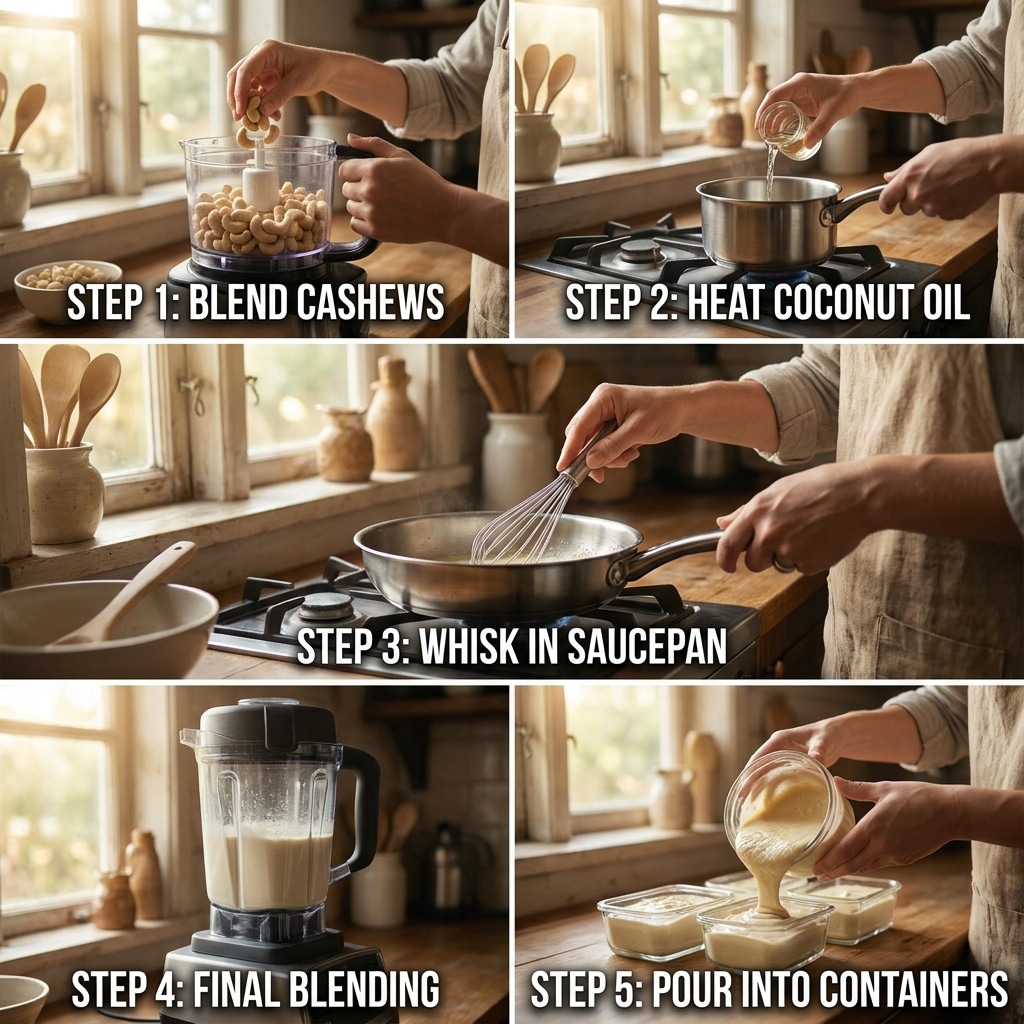
- Heat the refined coconut oil gently in a small saucepan over low heat until it reaches approximately ninety-five degrees Fahrenheit.
- Add the cultured cashew cream to the warm coconut oil while stirring constantly to combine evenly.
- Sprinkle the nutritional yeast, soy lecithin, and turmeric powder over the mixture while whisking vigorously.
- Add the sea salt and apple cider vinegar to the combination and continue whisking for three to four minutes until completely integrated.
- Pour the mixture into a high-powered blender and blend on high speed for sixty to ninety seconds.
- Add filtered water one tablespoon at a time while blending, incorporating just enough to achieve a smooth, creamy consistency in your Miyoko’s butter recipe.
Setting and Storing Your Miyoko’s Butter Recipe
- Transfer the blended Miyoko’s butter recipe to glass containers or silicone molds.
- Place in the refrigerator for at least two hours until the Miyoko’s butter recipe becomes firm.
- Once set, your Miyoko’s butter recipe is ready to use immediately or store for up to three weeks in the refrigerator.
- For longer storage, freeze your Miyoko’s butter recipe in ice cube trays, then transfer the frozen cubes to freezer bags for convenient portioning.
Chef Tips for Perfect Miyoko’s Butter Recipe
These expert tips will help you create restaurant-quality Miyoko’s butter recipe every time you make a batch.
- Maintain precise temperature control when heating the coconut oil for your Miyoko’s butter recipe, as temperatures above one hundred degrees Fahrenheit may damage the delicate cultured flavors and create an overly greasy final product.
- Use a digital scale to measure ingredients for your Miyoko’s butter recipe with accuracy, since volume measurements can vary significantly and affect the final texture and spreadability.
- Blend your Miyoko’s butter recipe for the full ninety seconds in the high-powered blender, as this incorporates air and creates a lighter, more luxurious texture than under-blending.
- Always add water gradually when making Miyoko’s butter recipe, because too much liquid results in a greasy consistency that won’t firm up properly during refrigeration.
- Allow the cultured cream to ferment for the full forty-eight hours when possible for your Miyoko’s butter recipe, since extended fermentation develops deeper, more complex flavors that elevate the final taste.
- Taste your Miyoko’s butter recipe before bottling and adjust seasonings according to your preferences, adding a pinch more salt or nutritional yeast if desired for enhanced flavor intensity.
Common Miyoko’s Butter Recipe Mistakes to Avoid
Understanding common pitfalls will help you troubleshoot any issues and ensure consistent success with your Miyoko’s butter recipe every single time.
Using Virgin Coconut Oil Instead of Refined: Many home cooks make this Miyoko’s butter recipe with virgin coconut oil thinking it’s higher quality, but the strong coconut flavor overwhelms the delicate cultured notes. The solution is purchasing refined, neutral-flavored coconut oil specifically labeled as suitable for baking or cooking, which keeps the coconut flavor from dominating your Miyoko’s butter recipe.
Insufficient Fermentation of Cultured Cream: A common mistake is rushing the fermentation step when making Miyoko’s butter recipe, resulting in bland flavor and missed complexity. Always allow at least twenty-four hours for fermentation, preferably forty-eight hours, because this develops the tangy depth that defines exceptional Miyoko’s butter recipe.
Adding Too Much Water During Blending: Overzealous water additions create a greasy, separated Miyoko’s butter recipe that refuses to firm up properly during chilling. Add water one tablespoon at a time and only until the mixture reaches a smooth, pourable consistency before refrigeration, and your Miyoko’s butter recipe will set perfectly firm.
Neglecting Temperature Control: When making Miyoko’s butter recipe, allowing the coconut oil to become too hot destroys the beneficial cultures and creates separation during blending. Keep the oil between ninety and one hundred degrees Fahrenheit, using a kitchen thermometer to monitor your Miyoko’s butter recipe carefully throughout preparation.
Skipping the Soy Lecithin: Some cooks omit the soy lecithin when making Miyoko’s butter recipe to simplify the ingredient list, but this component is crucial for proper emulsification and smooth texture. Including soy lecithin in your Miyoko’s butter recipe ensures a cohesive blend and prevents the oil and cultured cream from separating during storage.
Best Miyoko’s Butter Recipe Variations and Substitutions
Creative variations allow you to customize your Miyoko’s butter recipe for different applications and dietary preferences while maintaining the core qualities that make this recipe so special.
| Ingredient | Substitution | Impact on Flavor and Texture of Miyoko’s Butter Recipe |
|---|---|---|
| Cultured Cashew Cream | Cultured Oat Milk or Cultured Soy Milk | Creates a lighter, more delicate Miyoko’s butter recipe with subtle grain notes. Oat milk produces slightly less rich texture compared to cashew in your Miyoko’s butter recipe, while soy milk yields firmer results. |
| Refined Coconut Oil | Refined Avocado Oil or Refined Sunflower Oil | Substituting coconut oil in Miyoko’s butter recipe changes the firmness and creates different spreadability. Avocado oil produces a softer, more luxurious Miyoko’s butter recipe, while sunflower oil yields slightly firmer texture. |
| Nutritional Yeast | Miso Paste (1 tablespoon) or Nutritional Yeast Alternative | Miso adds umami depth and saltiness to your Miyoko’s butter recipe, reducing the need for additional sea salt. This variation creates a more complex Miyoko’s butter recipe with Asian-inspired savory notes. |
| Turmeric Powder | Paprika, Beta-Carotene Powder, or Omit | Paprika gives your Miyoko’s butter recipe a subtle orange hue and slight smoky undertone. Beta-carotene offers a natural yellow color without changing the Miyoko’s butter recipe flavor profile. Omitting creates a pale, natural-looking butter. |
| Sea Salt | Himalayan Pink Salt, Celtic Sea Salt, or Omit | Different salt varieties in your Miyoko’s butter recipe provide subtle mineral notes. Himalayan salt adds a slight pink color, while Celtic salt contributes additional trace minerals. An unsalted Miyoko’s butter recipe works well for baking applications. |
| Apple Cider Vinegar | Lemon Juice or White Wine Vinegar | Lemon juice provides brighter acidity in your Miyoko’s butter recipe without the strong vinegar taste, while white wine vinegar creates more subtle fermented notes. These alternatives keep the Miyoko’s butter recipe tangy without overpowering other flavors. |
Each variation of Miyoko’s butter recipe opens possibilities for experimentation based on your personal preferences and available ingredients.
Serving Suggestions for Miyoko’s Butter Recipe
Your homemade Miyoko’s butter recipe deserves to be served in ways that highlight its delicious qualities and allow the rich flavor to shine through in every application.
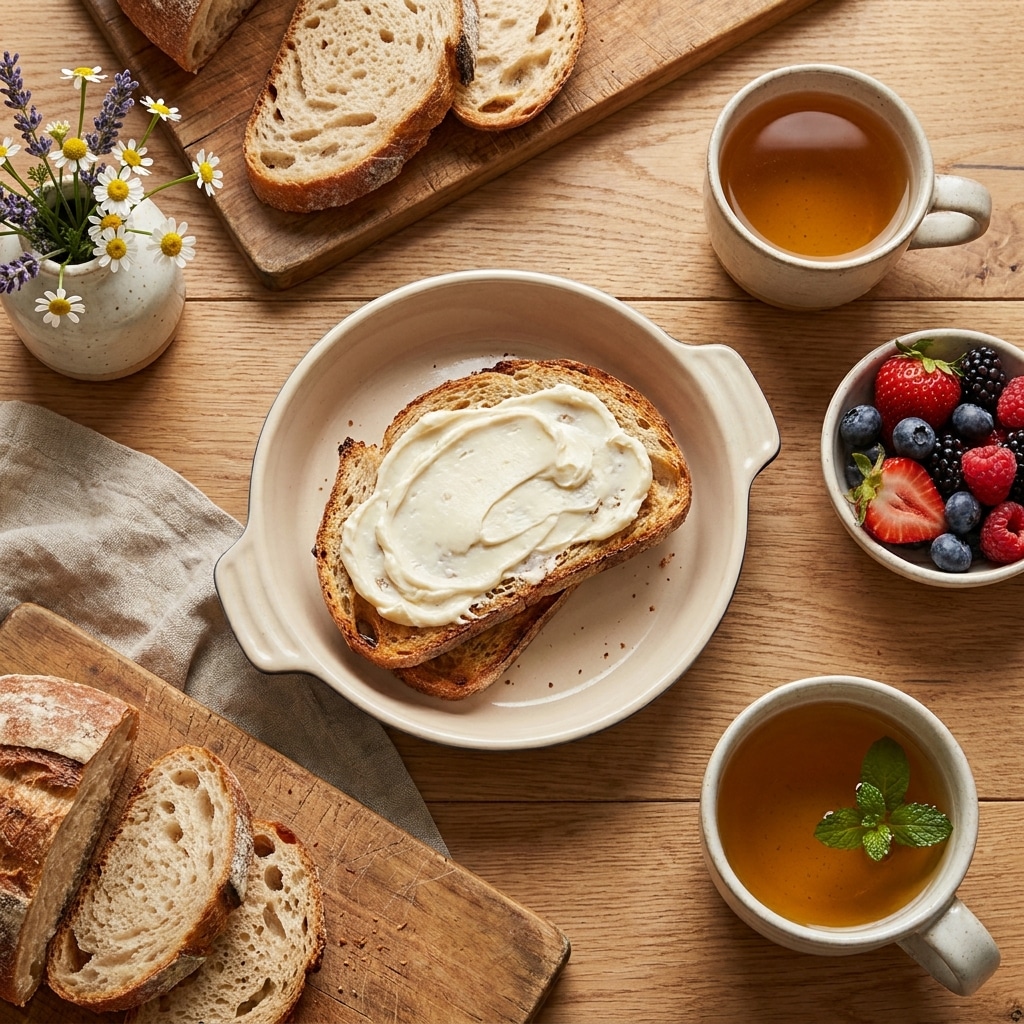
For breakfast, spread your Miyoko’s butter recipe generously on warm, freshly baked sourdough toast, toasted bagels, or homemade English muffins for a luxurious morning treat. The Miyoko’s butter recipe pairs beautifully with fruit preserves, almond butter, or simply enjoyed plain with a sprinkle of sea salt. At brunch gatherings, offer your Miyoko’s butter recipe alongside fresh croissants or pain au chocolat, allowing guests to experience the superior quality compared to conventional spreads.
For cooking and baking applications, incorporate your Miyoko’s butter recipe into everything from vegetable sautés to pastry doughs, where its high smoke point and emulsification properties ensure reliable results. The Miyoko’s butter recipe excels in making biscuits, scones, pie crusts, and laminated doughs that require excellent fat distribution for flakiness and structure. When making sauces, use your Miyoko’s butter recipe to create rich pan sauces by deglazing the pan and whisking in cold pieces of the Miyoko’s butter recipe for a silky, luxurious finish.
Serve your Miyoko’s butter recipe at dinner parties as part of a gourmet bread service alongside warm artisanal bread and sea salt flakes, allowing sophisticated guests to appreciate the cultured depth and creamy richness. The Miyoko’s butter recipe transforms simple weeknight meals when used to finish vegetables, grains, and legume-based dishes, adding richness and complexity that elevates ordinary ingredients into memorable cuisine.
Storage and Reheating for Miyoko’s Butter Recipe
Proper storage techniques preserve the quality and freshness of your Miyoko’s butter recipe, ensuring you enjoy optimal flavor and texture throughout the storage period.
| Method | Duration | Instructions for Miyoko’s Butter Recipe Storage |
|---|---|---|
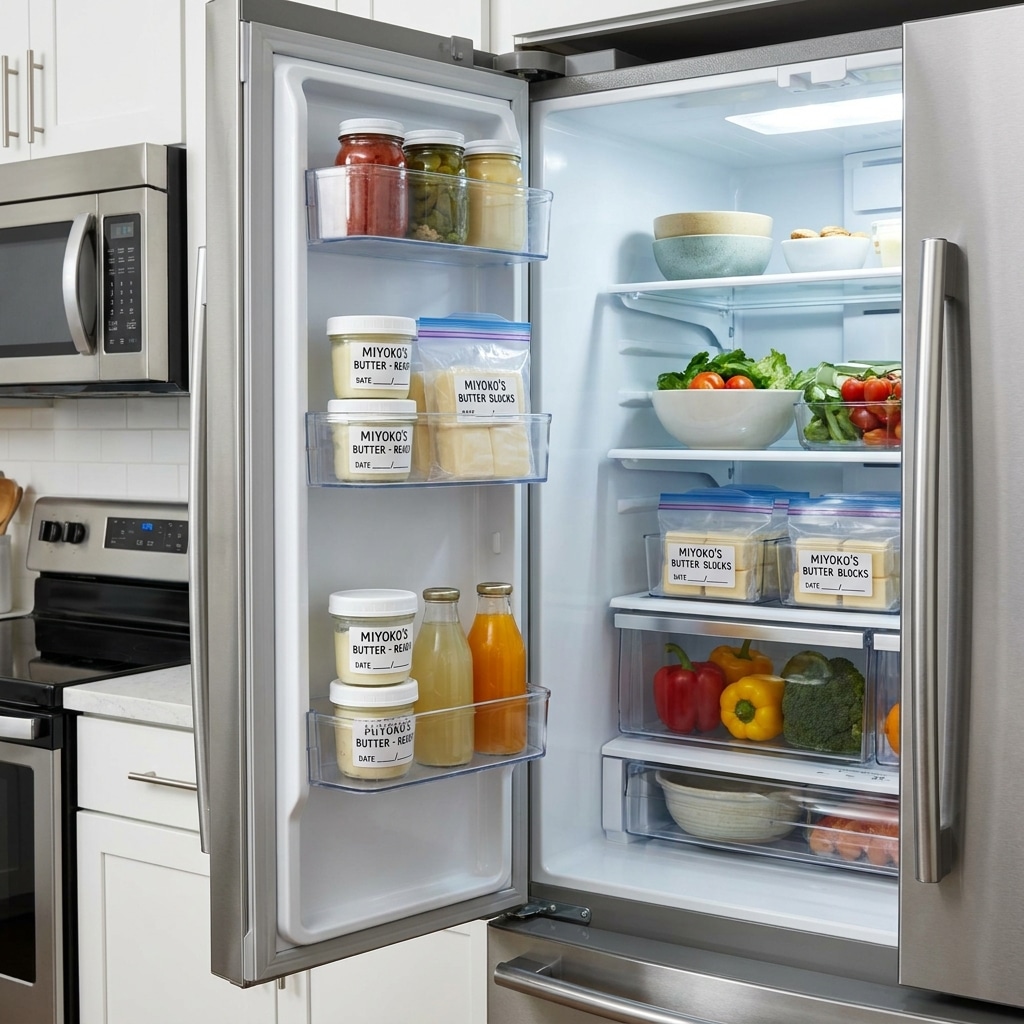
| Refrigerator Storage | Up to 3 weeks | Store your Miyoko’s butter recipe in airtight glass containers or covered ceramic dishes to prevent odor absorption. Keep at a consistent temperature between thirty-five and forty degrees Fahrenheit. The Miyoko’s butter recipe will maintain optimal texture and flavor during this period. |
| Freezer Storage | Up to 6 months | Freeze your Miyoko’s butter recipe in ice cube trays for convenient portioning, then transfer the frozen cubes to freezer bags labeled with the date. The Miyoko’s butter recipe thaws quickly and maintains quality when properly wrapped to prevent freezer burn. |
| Room Temperature | 1-2 hours maximum | Your Miyoko’s butter recipe softens at room temperature and becomes easily spreadable within thirty minutes. Use this method only when you plan to consume the Miyoko’s butter recipe immediately, as extended exposure to warmth causes separation. |
| Reheating/Thawing | 5-10 minutes | For frozen cubes of your Miyoko’s butter recipe, allow them to thaw at room temperature for five to ten minutes, or place directly into warm dishes where they melt quickly. Never microwave the Miyoko’s butter recipe, as high heat destroys the cultured flavor profile and causes separation. |
| Make-Ahead Preparation | Up to 1 week | Prepare the cultured cashew cream component for your Miyoko’s butter recipe up to one week in advance, storing it separately in the refrigerator. Complete the final blending and setting process just before you need the Miyoko’s butter recipe for optimal freshness. |
Protecting your Miyoko’s butter recipe from light exposure and temperature fluctuations ensures the cultured flavors remain vibrant and the texture stays perfectly spreadable.
Nutritional Information for Miyoko’s Butter Recipe
Understanding the nutritional profile of your homemade Miyoko’s butter recipe helps you make informed dietary decisions and track macro and micronutrient intake for wellness goals.
| Nutrient | Amount per Serving (1 tablespoon of Miyoko’s Butter Recipe) |
|---|---|
| Calories | 95 |
| Total Fat | 10.5 grams |
| Saturated Fat | 6.2 grams |
| Unsaturated Fat | 4.3 grams |
| Protein | 0.8 grams |
| Carbohydrates | 1.2 grams |
| Fiber | 0.3 grams |
| Sugars | 0.1 grams |
| Sodium | 145 milligrams |
| Vitamin B12 (from Nutritional Yeast) | 0.6 micrograms |
These are approximate values based on standard ingredient measurements for Miyoko’s butter recipe and may vary slightly depending on specific brands and preparation methods used.
Compared to conventional dairy butter, the Miyoko’s butter recipe offers similar caloric content while providing a beneficial plant-based alternative. The addition of nutritional yeast in your Miyoko’s butter recipe contributes B vitamins including B12, which is particularly valuable for those following plant-based diets. The cultured component in Miyoko’s butter recipe contains beneficial probiotic cultures that support digestive health when consumed regularly as part of a balanced diet.
Frequently Asked Questions About Miyoko’s Butter Recipe
Can I use store-bought cultured cashew milk instead of culturing my own for Miyoko’s butter recipe?
Yes, store-bought cultured cashew milk works well in Miyoko’s butter recipe and saves preparation time considerably. Simply use one-half cup of the cultured product as a direct replacement in the recipe, ensuring the brand you select contains active probiotic cultures. Many brands like Kite Hill and New Culture produce excellent cultured plant milks that deliver authentic results in your Miyoko’s butter recipe.
What temperature should Miyoko’s butter recipe reach when fully set in the refrigerator?
Properly set Miyoko’s butter recipe should reach approximately thirty-five to thirty-eight degrees Fahrenheit in a standard refrigerator after two to four hours of chilling. The Miyoko’s butter recipe should be firm enough to hold its shape when cut but still soft enough to spread easily with a knife. If your Miyoko’s butter recipe remains too soft after four hours, the water ratio was too high during blending and you should reduce liquid in the next batch.
How do I know when my cultured cashew cream is ready for making Miyoko’s butter recipe?
Your cultured base for Miyoko’s butter recipe is ready when it develops a noticeably tangy aroma and slightly thickened consistency after forty-eight hours of fermentation at room temperature. The mixture should smell pleasantly sour, similar to yogurt or cultured buttermilk, indicating sufficient probiotic activity to create authentic Miyoko’s butter recipe flavor. If the mixture smells rotten or shows mold growth, discard it and start fresh.
Can I make Miyoko’s butter recipe in advance for meal preparation purposes?
Making Miyoko’s butter recipe in advance is excellent for meal prep, with the finished product maintaining quality for up to three weeks in the refrigerator or six months in the freezer. Freeze Miyoko’s butter recipe in ice cube trays for convenient portioning that allows you to thaw only what you need. The Miyoko’s butter recipe actually benefits from a few days of refrigeration as flavors meld and deepen over time.
What is the best way to serve Miyoko’s butter recipe for a gathering or special occasion?
Present your Miyoko’s butter recipe in an attractive ramekin or on a beautiful butter dish alongside artisanal bread, allowing guests to spread it themselves for a luxurious bread service experience. The Miyoko’s butter recipe impresses when arranged on a marble board with sea salt flakes on the side and fresh herbs as garnish. Letting the Miyoko’s butter recipe sit at room temperature for fifteen to twenty minutes before serving creates an optimal spreading consistency that highlights the creamy texture.
How should I store Miyoko’s butter recipe to prevent rancidity and maintain freshness longest?
Store your Miyoko’s butter recipe in opaque, airtight glass containers away from direct light, heat sources, and temperature fluctuations for maximum shelf life. The cultured component in Miyoko’s butter recipe creates a natural preservative environment that extends freshness significantly compared to plain coconut oil butter. Keep Miyoko’s butter recipe in the coldest part of the refrigerator, typically the back shelf, where temperature remains most consistent.
Can Miyoko’s butter recipe be used for high-temperature cooking applications like stir-frying?
While Miyoko’s butter recipe can be used for moderate-heat cooking applications, refined coconut oil reaches a smoke point of approximately three hundred fifty degrees Fahrenheit, making it suitable for sautéing but not ideal for high-temperature stir-frying or deep frying. For high-heat applications, substitute a portion of the Miyoko’s butter recipe with refined avocado oil or refined sunflower oil to increase the smoke point safely. The Miyoko’s butter recipe performs beautifully for gentle vegetable sautéing and sauce-making at medium heat.
Is there a nut-free version of Miyoko’s butter recipe available using different ingredients?
Yes, create a nut-free Miyoko’s butter recipe by substituting the cultured cashew cream with cultured coconut milk or cultured oat milk in equal proportions. Nut-free Miyoko’s butter recipe maintains excellent flavor and texture while accommodating dietary restrictions and allergies. Ensure the cultured alternative you select contains active probiotic cultures to preserve the authentic tangy depth characteristic of traditional Miyoko’s butter recipe.
What flavor variations can I explore when making different batches of Miyoko’s butter recipe?
Miyoko’s butter recipe provides a perfect canvas for experimentation with additions like fresh herbs, smoked paprika, garlic powder, seaweed flakes, or sun-dried tomato powder mixed in after blending. Create a roasted garlic Miyoko’s butter recipe by infusing roasted garlic into the cultured base before fermentation, or make an herb-infused Miyoko’s butter recipe with fresh dill, chives, and parsley folded in just before setting. The Miyoko’s butter recipe flavor variations are limited only by your creativity and ingredient preferences.
Should I use organic or conventional ingredients when making Miyoko’s butter recipe at home?
While not strictly necessary, selecting organic ingredients elevates the quality of Miyoko’s butter recipe and aligns with values of sustainability and pesticide avoidance for those who prioritize these factors. Organic cashews, coconut oil, and nutritional yeast reduce pesticide residues in your Miyoko’s butter recipe while supporting environmentally responsible farming practices. Conventional ingredients produce equally delicious Miyoko’s butter recipe, so choose based on budget and personal preferences rather than perceived quality differences.
Conclusion
Miyoko’s butter recipe represents an accessible, delicious solution for anyone seeking plant-based alternatives without compromising on taste or cooking performance. This homemade Miyoko’s butter recipe empowers you to control ingredients, customize flavors, and enjoy the satisfaction of creating a staple condiment in your own kitchen. The combination of cultured plant milk, refined coconut oil, and thoughtfully selected supporting ingredients creates a Miyoko’s butter recipe that performs beautifully whether you’re spreading it on warm toast, baking tender pastries, or finishing a silky sauce. Once you master this Miyoko’s butter recipe, you’ll appreciate the creamy richness and subtle fermented complexity that distinguishes homemade versions from commercial alternatives. Share your Miyoko’s butter recipe with friends and family, knowing you’re offering them a sophisticated, plant-based treat that demonstrates both culinary skill and commitment to inclusive, sustainable food choices. Explore variations of this Miyoko’s butter recipe through different herbs, spices, and cultured bases to keep your cooking exciting and your butter dish perpetually interesting. The smooth, luxurious spreadability of freshly made Miyoko’s butter recipe transforms ordinary meals into memorable culinary experiences, proving that plant-based cooking need never mean compromising on flavor, texture, or satisfaction.
Related Recipes You’ll Love
Black-Eyed Pea and Green Bean Salad Recipe
Salsa Macha Pasta With Shrimp recipe
One-Pan Kuku Paka Recipe
Cold Peanut Ginger Noodles Recipe
Lemon Lovers Pasta Primavera Recipe
What Is The Baking Soda Recipe For Weight Loss
Yerba Mate Recipe
Expert Resources and Food Safety
Explore coconut oil health benefits from Healthline to understand the nutritional aspects of key ingredients. Read about food fermentation safety guidelines from the FDA to ensure your cultured components are prepared safely.
Print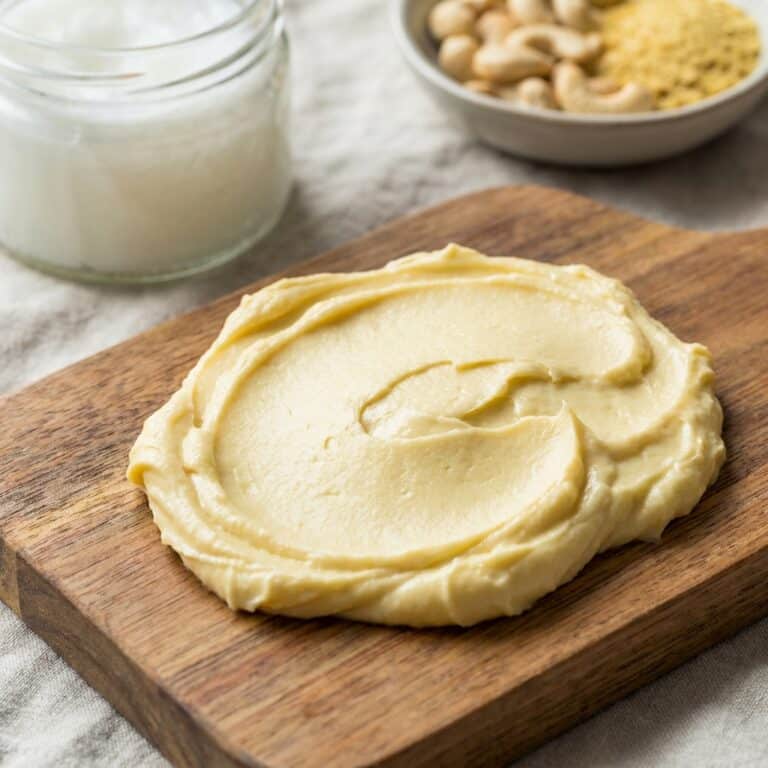
Miyoko’s Butter Recipe 2026
A plant-based alternative that delivers rich, creamy spreadability without using any dairy products. This homemade Miyoko’s butter recipe combines cultured plant milk, coconut oil, and carefully selected ingredients to create a butter that performs beautifully in baking, cooking, and spreading on toast.
- Total Time: 20 minutes
- Yield: Makes approximately 1 pound 1x
Ingredients
- 1 cup Refined Coconut Oil
- 1/2 cup Cultured Cashew Cream
- 2 tablespoons Nutritional Yeast
- 1 teaspoon Sea Salt
- 1 tablespoon Soy Lecithin
- 2–3 tablespoons Filtered Water
- 1/8 teaspoon Turmeric Powder
- 1/2 teaspoon Apple Cider Vinegar
Instructions
- Soak one cup of raw cashews in filtered water for at least four hours, preferably overnight.
- Drain and rinse the soaked cashews thoroughly under cool running water.
- Blend the soaked cashews with one cup of fresh filtered water using a high-powered blender until perfectly smooth.
- Strain the cashew cream through a fine-mesh nut milk bag to remove any remaining solids.
- Place the strained cashew cream in a glass jar and cover loosely with cheesecloth.
- Allow the mixture to ferment at room temperature for twenty-four to forty-eight hours until it develops a pleasantly sour aroma.
- Heat the refined coconut oil gently in a small saucepan over low heat until it reaches approximately ninety-five degrees Fahrenheit.
- Add the cultured cashew cream to the warm coconut oil while stirring constantly to combine evenly.
- Sprinkle the nutritional yeast, soy lecithin, and turmeric powder over the mixture while whisking vigorously.
- Add the sea salt and apple cider vinegar to the combination and continue whisking for three to four minutes until completely integrated.
- Pour the mixture into a high-powered blender and blend on high speed for sixty to ninety seconds.
- Add filtered water one tablespoon at a time while blending, incorporating just enough to achieve a smooth, creamy consistency in your Miyoko’s butter recipe.
- Transfer the blended Miyoko’s butter recipe to glass containers or silicone molds.
- Place in the refrigerator for at least two hours until the Miyoko’s butter recipe becomes firm.
- Once set, your Miyoko’s butter recipe is ready to use immediately or store for up to three weeks in the refrigerator.
- For longer storage, freeze your Miyoko’s butter recipe in ice cube trays, then transfer the frozen cubes to freezer bags for convenient portioning.
Notes
Maintain precise temperature control when heating the coconut oil for your Miyoko’s butter recipe, as temperatures above one hundred degrees Fahrenheit may damage the delicate cultured flavors and create an overly greasy final product. Use a digital scale to measure ingredients with accuracy. Blend for the full ninety seconds to create a lighter, more luxurious texture.
- Prep Time: 15 minutes
- Cook Time: 5 minutes
- Category: Condiment
- Method: Blending
- Cuisine: Vegan/Plant-Based
- Diet: Vegan
Nutrition
- Serving Size: 1 tablespoon
- Calories: 95
- Sugar: 0.1g
- Sodium: 145mg
- Fat: 10.5g
- Saturated Fat: 6.2g
- Unsaturated Fat: 4.3g
- Trans Fat: 0g
- Carbohydrates: 1.2g
- Fiber: 0.3g
- Protein: 0.8g
- Cholesterol: 0mg