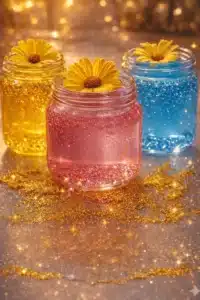
Ever seen a glow-in-the-dark bouncy ball and thought, “How cool is that?!” Well, here’s the exciting part—you can make them at home, and it’s way easier than you think! These DIY glowing bounce balls aren’t just a blast to play with—they’re a hands-on science project, craft, and toy rolled into one. With just a few ingredients from your kitchen or local craft store, your kids (or inner child!) can whip up bouncy, glowing spheres that look like magic and bounce like a dream. Let’s dive in and mix a little science with a lot of fun!
Materials You’ll Need to Make Glowing Bounce Balls
Okay, so here’s where things get real—before you make any magic happen, you’ve gotta get your stuff together. I can’t tell you how many times I’ve promised my kids an “awesome DIY experiment” only to realize we were out of glue. That meltdown? Not fun. So trust me, prep ahead.
Gathering Your DIY Science Kit at Home
You’ll only need a few things, and chances are, you’ve already got most of them tucked away in a drawer. This isn’t one of those expensive STEM toys that require a shopping spree. Think of it like building your own DIY science kit—but way cheaper, and cooler.
- ½ cup of warm water – don’t skip the warm part. Cold water doesn’t dissolve the Borax as fast, and your ball ends up lumpy. Ask me how I know.
- 1 tablespoon Borax powder – the not-so-secret ingredient. It’s what gives the ball its bounce. You can grab a whole box for like $5 and it lasts forever.
- 2 tablespoons white school glue – Elmer’s is classic, but store brands work fine. Just avoid gel glue unless you like goo instead of a ball.
- Glow-in-the-dark paint or pigment – this is where the magic happens. Go for phosphorescent paint that recharges with light.
- Optional: glitter, food coloring, essential oils – if your kid’s the creative type, these are fun add-ons that turn a science activity into a full-on non-toxic craft session.
- Plastic spoons, mixing bowls, gloves, and a mat or tray – just… keep your kitchen table safe. The glue gets wild.
My First Mistake: Using Cold Water
Look, I tried this the first time using cold tap water. “It’s just water,” I thought. Nope. That Borax stayed grainy and my bounce ball came out looking like a soggy jellyfish. Use warm water. Stir like you mean it.
Where to Find Materials Without a Hassle
Here’s a money-saving tip—look in the laundry aisle for Borax, the school supplies section for glue, and check craft stores or Amazon for glow powder or non-toxic paint. I even found a bulk pack of glow pigments on Etsy that worked like a charm and cost less than a coffee.
Kid-Friendly, Safe, and Clean (Mostly)
This project is part of our rotation of kids educational activities because it’s hands-on, safe, and lets me sneak in a little science lesson. Just be sure to keep Borax away from eyes and mouths—we treat it like we’re in a lab. Gloves help, but not required unless your kid has sensitive skin.
Want to keep things tidy? Put down parchment paper or an old tablecloth. Seriously, your countertops will thank you.
Step-by-Step Instructions for Making the Balls
Alright, here comes the fun part—bringing your glowing bounce ball to life. Honestly, this part feels like you’re performing a science magic trick right in your kitchen. And if you’re like me, a parent who loves sneaking education into playtime, this is a goldmine of a STEM learning activity.
Step 1: Dissolve the Borax in Warm Water
Use a small bowl and pour in ½ cup of warm water. Then add 1 tablespoon of Borax powder. Stir like you’re mixing a potion—because, well, you kinda are.
🔁 Pro tip: Keep stirring until it’s totally dissolved. If you see grains at the bottom, it’s not done yet. One time I didn’t wait and ended up with a gritty, half-bouncy mess.
Step 2: Mix Glue and a Splash of Water
In another bowl, add 2 tablespoons of white school glue. Add just a small splash of water—not too much or your ball will turn out all soft and floppy. Stir until it looks smooth and gooey.
Optional: This is the perfect time to mix in your glow-in-the-dark paint or glow powder. Use about a teaspoon. It doesn’t look like much at first, but trust—it shines!
Step 3: Combine and Stir Slowly
Here’s where the science kicks in. Slowly pour the Borax solution into the glue mixture while stirring. Don’t dump it all at once—do it gradually and stir like your life depends on it (okay, maybe not your life, but your bounce ball definitely does).
Watch it start to clump up and get gooey. That’s the Borax forming polymers—a fancy way of saying, “This is how your glue turns into a ball.”
Step 4: Time to Knead
Once the mixture is thick and kinda weird-looking (like alien slime), take it out of the bowl and start kneading it with your hands. Yes, it feels sticky at first, but after a minute or two, it firms up.
👋 Pro tip: If it’s too sticky, dip your fingers in the Borax water and keep kneading. If it’s too stiff, you added too much Borax (been there). Just toss it and try again with less.
Step 5: Let It Set and Then Bounce
Give your ball a minute or two to dry on a paper towel. Then, boom—time to bounce! Turn off the lights and watch that bad boy glow. Honestly, the first time we saw it light up in the dark, we lost our minds. My kid was screaming like we’d discovered plutonium.
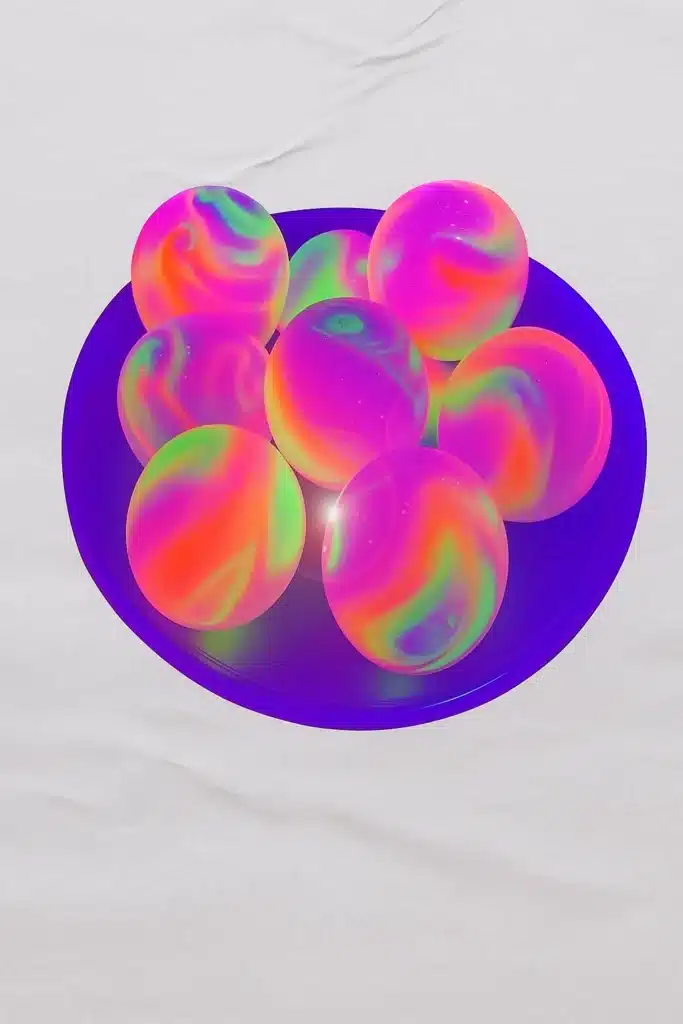
It’s that simple. This isn’t just a DIY kids experiment—it’s a legit glow in the dark toy that they made with their own hands. You’ll want to make a whole batch in different colors (we did blue, green, and even a neon pink).
Fun Variations to Customize Your Glowing Bounce Balls
Once you’ve nailed the basic glowing bounce ball, it’s game on for creativity! We’ve turned this into a regular Saturday activity in our house because my kids are obsessed with coming up with custom kids toys. I mean, they don’t even call them bounce balls anymore—they name them like pets.
Use Different Types of Glue for Wild Effects
So here’s the deal: clear glue, neon glue, and glitter glue all give super different results.
- Clear glue gives you that jelly-like see-through look. Add glitter and it looks like a galaxy in a ball.
- Neon glue? Freakin’ awesome under a blacklight. Combine that with glow powder and you’ve got a next-level sensory toy for kids.
- Glitter glue adds sparkle, but it’s trickier to work with. It’s thicker, so mix slower or you’ll end up with a chunky mess.
💡 My mistake: I once dumped way too much glitter into the mix thinking “More is more!” Wrong. It clumped and turned into a sparkly rock. So, yeah, go easy.
Experiment with Add-Ins
This is where you let your little mad scientists go wild:
- Add phosphorescent pigments for long-lasting glow
- Mix in fine glitter or even mica powder for shimmer
- A few drops of essential oil (like lavender) turns it into a relaxing sensory ball
- Try adding tiny beads or sequins for texture—perfect for DIY sensory toys
🔁 Pro tip: Label each batch or color-code them. My youngest cried when her “purple moon bouncer” went missing. We had no clue which was which.
Create Themed Bounce Balls
Why not make them holiday-themed or birthday-specific?
- Halloween? Orange glow glue + black glitter.
- Valentine’s? Red glitter + heart confetti.
- Birthday party? Let each kid make one as a take-home favor (way cooler than a plastic yo-yo).
I once threw a science-themed party and set up a “DIY Glow Lab.” We had goggles, little bowls, and everyone made their own glowing ball. Huge hit. Parents asked me where I bought the “DIY glow crafts kit” and I was like, “Um, Walmart glue aisle and Pinterest.”
Make It a Whole Lesson
This isn’t just play—it’s learning in disguise. Talk about chemical reactions, polymers, and light absorption. Turn it into a creative STEM activity and boom—you just made science cooler than TikTok.
The possibilities here are endless. Once your kids start experimenting, they’ll come up with ideas you didn’t even think of. It’s like making a glowing slime ball with a brain. And trust me, if you’ve got multiple kids, this is a game-changer. No fighting over toys when they’ve each got their own personally designed, glitter-loaded, glow-powered masterpiece.
The Science Behind the Glow and Bounce
Alright, time to channel your inner Bill Nye—because what’s cooler than glowing, bouncy toys? Knowing why they glow and bounce. When I first did this with my kids, I had to Google half the explanations on the spot. Now I sound like a genius at every playdate.
Let’s break it down in a way that won’t make your head spin—but will totally impress your kids (and maybe even your spouse).
Why It Bounces: The Polymer Reaction
When you mix Borax with school glue, you’re not just making slime—you’re kickstarting a chemical reaction experiment. The glue contains polyvinyl acetate, a type of polymer that’s made of long chains of molecules.
Borax acts as a cross-linking agent, which basically ties those chains together. Instead of staying liquid and runny, they form a squishy, elastic solid. That’s what gives the ball its bounce.
Think of it like spaghetti noodles turning into a bouncy net.
If it’s too stiff, you added too much Borax. Too soft? Not enough. It’s all about finding that sweet spot.
Why It Glows: Phosphorescence in Action
This is where it gets sci-fi. The glow effect comes from phosphorescent pigments—those awesome glow powders or paints you mix into the glue.
They absorb light (especially UV or sunlight) and then slowly release it. This process is called phosphorescence, and it’s a type of glow-in-the-dark science that’s way safer and cooler than you’d expect.
If you charge your ball under a bright lamp for a minute or two, it’ll glow like a little moon in your hand. Different pigments last for different times—some glow for minutes, others for hours. That’s a fun one to test!
Why It’s Perfect for STEM Education for Kids
This whole activity is basically a stealth lesson in chemistry, physics, and art.
- You’ve got chemical reactions when Borax meets glue.
- You’ve got light science when the ball glows.
- You’ve got engineering when they try to fix a ball that doesn’t bounce.
- And you’ve got creative thinking every time they make a new design.
It’s hands-on, messy, and fun—which makes it one of the best examples of learning through play I’ve ever tried.
Want to really blow their minds? Try making two batches—one with Borax, one without. The glue without Borax stays runny. The other? Bouncy and solid. You can literally see how polymers change form. My kid thought we’d invented rubber. 🤷♀️
Coming up next: how to keep the mess down, the kids safe, and your bounce balls in one piece.
Tips for Safe, Clean, and Fun Crafting
Okay, real talk—DIY crafts are fun until you’re scraping glitter off your kitchen cabinets or Googling “is Borax toxic if my kid eats it.” Don’t worry, I’ve been there. The good news is this glowing bounce ball activity can be a totally stress-free, safe experience with just a little prep.
Supervise Like You’re Running a Mini Lab
Borax is generally safe for kids science activities, but it’s not something you want them handling like Play-Doh. I always treat it like we’re doing a real science experiment—because, technically, we are.
- Keep Borax out of their mouths and eyes—obvious, but you’d be surprised.
- Use gloves for kids with sensitive skin, especially if they like to “taste test” everything.
- Make sure they wash hands well afterward (soap, warm water, done).
It’s one of those safe DIY crafts for kids, but still deserves some basic caution.
Contain the Mess (You’ll Thank Me Later)
You don’t need a lab coat, but you do want to protect your surfaces. We’ve had glitter in our grout for months from one epic fail.
Here’s what works:
- Use plastic trays or cookie sheets as your crafting station
- Cover the table with parchment paper or an old towel
- Keep a roll of paper towels nearby—seriously, they go fast
- Have a trash bowl on the table for glue-covered spoons and scraps
I even keep a bottle of vinegar handy for any gluey stickiness—it breaks it down fast. Learned that trick after I spent 20 minutes trying to peel glue off my dog’s fur. (Don’t ask.)
Storage Tips for Longevity
These balls don’t last forever, but you can stretch their life out a bit.
- Store in airtight containers or zip bags
- Keep them out of direct sunlight—it weakens the glow
- Recharge under a bright light for 1–2 minutes before bouncing
Over time, they’ll dry out and get hard or crack—but you can always whip up another batch. Honestly, my kids don’t even care because they want to make more.
Make It a Routine or Party Craft
This has become a regular “reward activity” in our house. Finished homework? Boom, glowing bounce ball time. You can even turn it into a mess-free activity by pre-measuring all the ingredients into small cups and labeling each.
At birthday parties, I set up a bounce ball station with trays and tiny signs. The kids went nuts, and the parents were shocked it wasn’t chaos.
One mom told me, “This is the first DIY toy activity I didn’t immediately regret saying yes to.” Felt like a win.
So yeah—non-toxic kids science, a little planning, and you’ve got yourself a craft session that’s more fun than frantic. And cleanup that doesn’t feel like a war zone.
So there you have it—your complete guide to making DIY glowing bounce balls that aren’t just cool… they’re science in action. From mixing glue and Borax to watching your creation light up the night, this is the kind of hands-on fun that makes kids actually want to learn. And hey, maybe even the grown-ups too.
What started as a simple rainy-day project in our house turned into a full-blown obsession. My kids ask for “glow ball day” like it’s a holiday—and honestly, I’m not mad about it. It’s budget-friendly, mess-manageable, and packed with hidden lessons in chemistry, light, and creativity.
Whether you’re a teacher looking for a fun classroom demo, a parent trying to sneak some STEM learning toys into your play routine, or just someone who likes things that bounce and glow (I see you), this one’s a keeper.
📌 Loved this idea? Pin it!
Save this post on Pinterest so you’ve got it ready the next time boredom strikes. Bonus points if you share pics of your kids’ crazy cool custom balls—we’d love to see them!