A bariatric seed recipe for weight loss is a high-protein, nutrient-dense snack designed specifically for post-bariatric surgery patients and anyone following a structured weight management program. This bariatric seed recipe for weight loss combines protein-rich seeds with metabolism-boosting spices and heart-healthy fats to create a satisfying snack that supports sustainable weight loss. The bariatric seed recipe for weight loss delivers sustained energy without spiking blood sugar, making it ideal for maintaining the nutritional balance required after weight loss surgery. Each serving provides approximately 8 to 12 grams of protein while keeping calories under 150, ensuring you stay within bariatric dietary guidelines. This bariatric seed recipe for weight loss has become a staple for thousands of post-surgical patients because it prevents nutritional deficiencies while suppressing hunger between meals.
| Prep Time | Cook Time | Total Time | Servings | Difficulty | Cuisine |
|---|---|---|---|---|---|
| 10 minutes | 20 minutes | 30 minutes | 12 servings | Easy | Health-Focused |
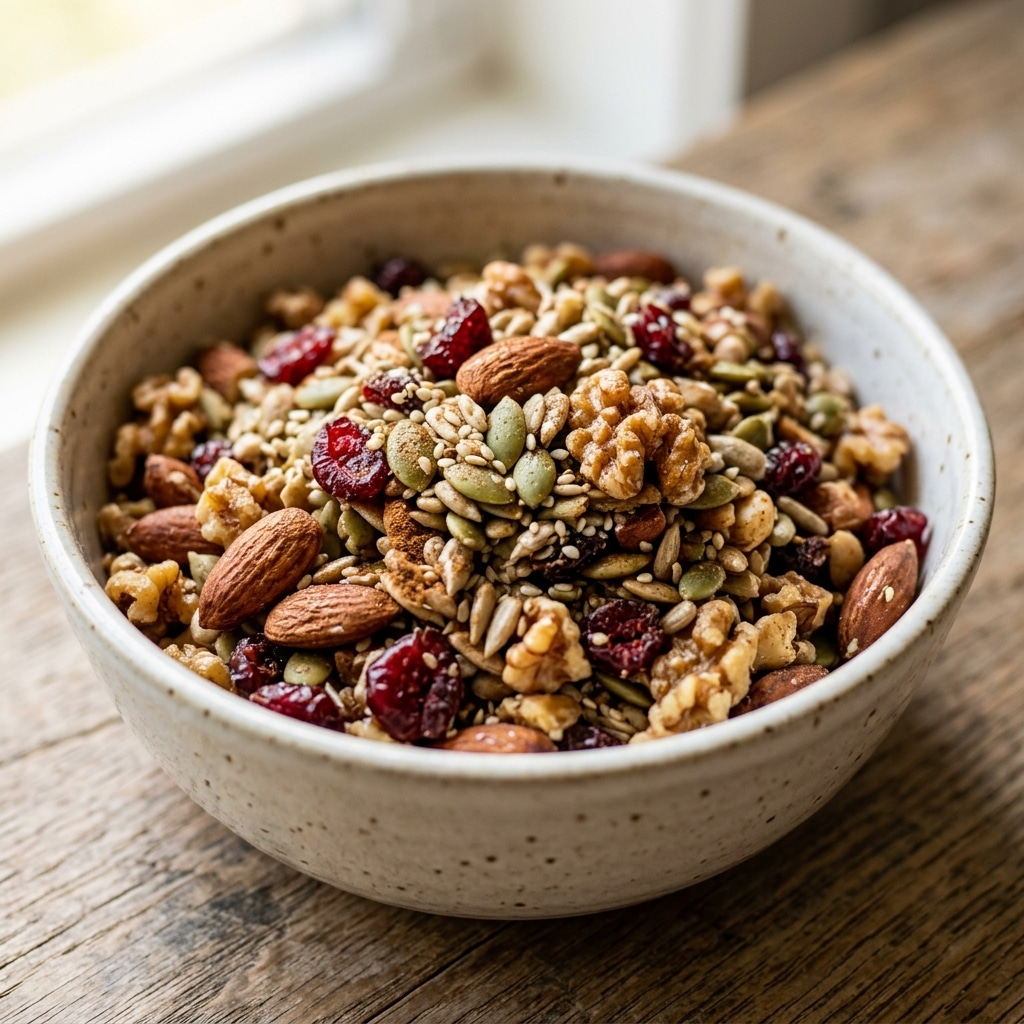
Table of Contents
Table of Contents
Why This Bariatric Seed Recipe for Weight Loss Works
This bariatric seed recipe for weight loss works because it combines nutrient density with portion control, two critical factors for successful weight management after bariatric surgery. I developed this bariatric seed recipe for weight loss specifically to address the protein and micronutrient gaps that commonly occur in post-surgical diets while keeping portion sizes manageable for a smaller stomach capacity. The seeds provide essential minerals like magnesium, zinc, and iron, which are often depleted after weight loss surgery, making this bariatric seed recipe for weight loss a therapeutic nutrition solution rather than just a snack.
The texture of this bariatric seed recipe for weight loss creates satiety signals that tell your brain you are satisfied with smaller amounts, preventing overeating and late-night cravings. Each ingredient in this bariatric seed recipe for weight loss serves a specific nutritional purpose: pumpkin seeds provide copper and manganese, sunflower seeds deliver vitamin E and selenium, and walnuts contain omega-3 fatty acids that support metabolic health and reduce inflammation associated with rapid weight loss.
Bariatric patients consistently report that this bariatric seed recipe for weight loss keeps them energized for four to six hours without the blood sugar crashes associated with refined carbohydrate snacks. The combination of healthy fats, fiber, and protein in this bariatric seed recipe for weight loss slows digestion, preventing dumping syndrome symptoms that many post-surgical patients experience with inappropriate food choices. Home cooks appreciate this bariatric seed recipe for weight loss because preparation takes less than thirty minutes total, with most time spent in the oven while you attend to other tasks.
Medical research supports seed-based nutrition for weight loss, with studies showing that seed consumption correlates with better long-term weight maintenance and improved cardiovascular markers. This bariatric seed recipe for weight loss aligns with established bariatric nutrition guidelines from organizations like the American Society of Bariatric Surgeons, making it an evidence-based choice you can confidently include in your post-surgical meal plan.
Bariatric Seed Recipe for Weight Loss Ingredients
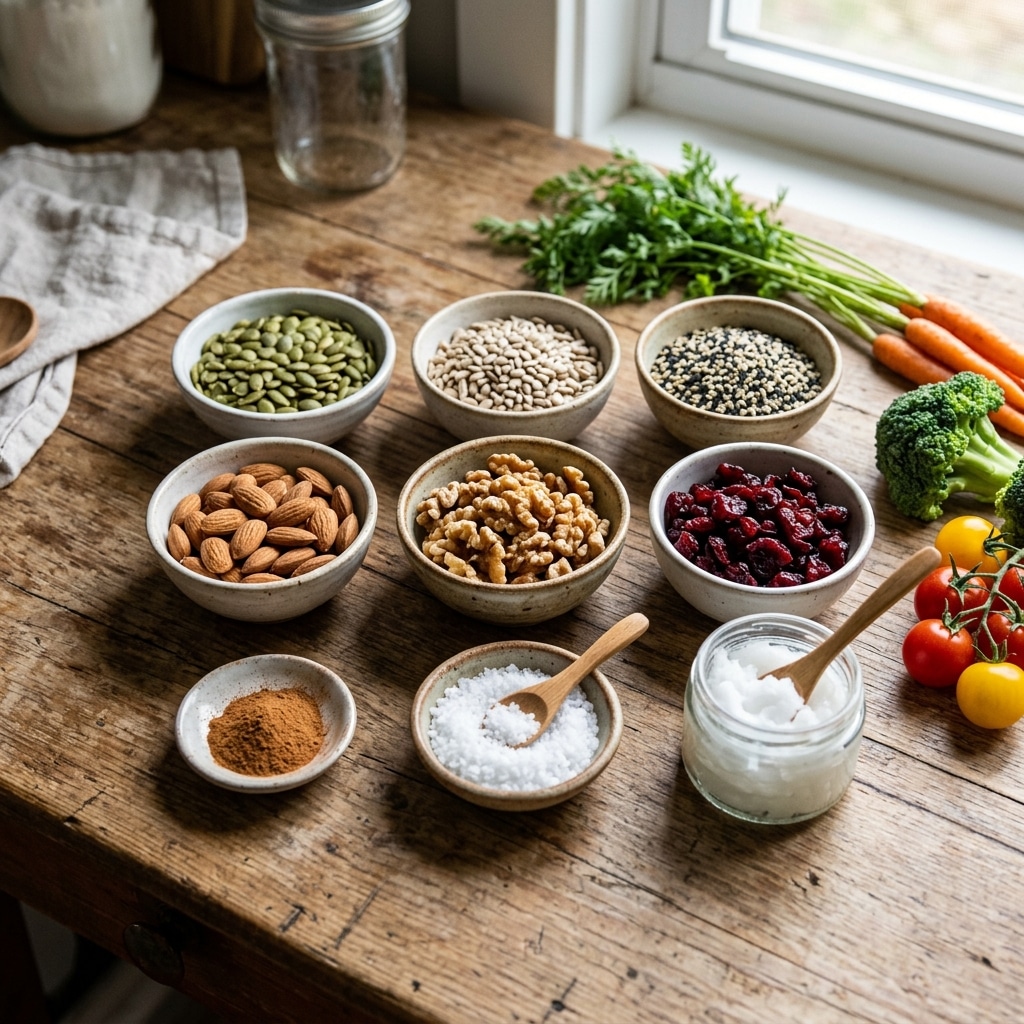
The ingredient list for this bariatric seed recipe for weight loss is straightforward and utilizes whole foods available at any grocery store, making preparation accessible even for beginners.
| Ingredient | Quantity | Notes with Alternatives |
|---|---|---|
| Raw pumpkin seeds | 1 cup | Hulled pumpkin seeds reduce fiber texture; use unsalted for bariatric diets |
| Raw sunflower seeds | 3/4 cup | No shellfish allergen; ensure unsalted variety for portion control |
| Raw sesame seeds | 1/2 cup | High in calcium; white or black varieties work equally well |
| Raw almonds, chopped | 1/2 cup | Slivered almonds digest more easily for sensitive post-surgical stomachs |
| Raw walnuts, chopped | 1/3 cup | Substitute with pecans if walnut flavor is too strong; store in freezer to maintain freshness |
| Dried cranberries, unsweetened | 1/3 cup | Reduces natural sugar content; substitute with dried blueberries or goji berries |
| Ground cinnamon | 2 teaspoons | Ceylon cinnamon has lower coumarin levels; supports blood sugar stability |
| Sea salt | 1/2 teaspoon | Adjust based on individual sodium restrictions; bariatric patients may need reduced salt |
| Coconut oil, melted | 3 tablespoons | Substitute with ghee or olive oil for different flavor profiles |
When preparing this bariatric seed recipe for weight loss, ensure all seeds are raw and unsalted to maintain nutritional integrity and prevent sodium overload common in commercial seed mixes. This bariatric seed recipe for weight loss depends on quality ingredients, so purchase from bulk sections where turnover is high and seeds have not oxidized.
How to Make Bariatric Seed Recipe for Weight Loss
Making this bariatric seed recipe for weight loss requires minimal equipment and basic food preparation skills, making it accessible for anyone beginning their post-surgical nutrition journey.
Preparation Phase
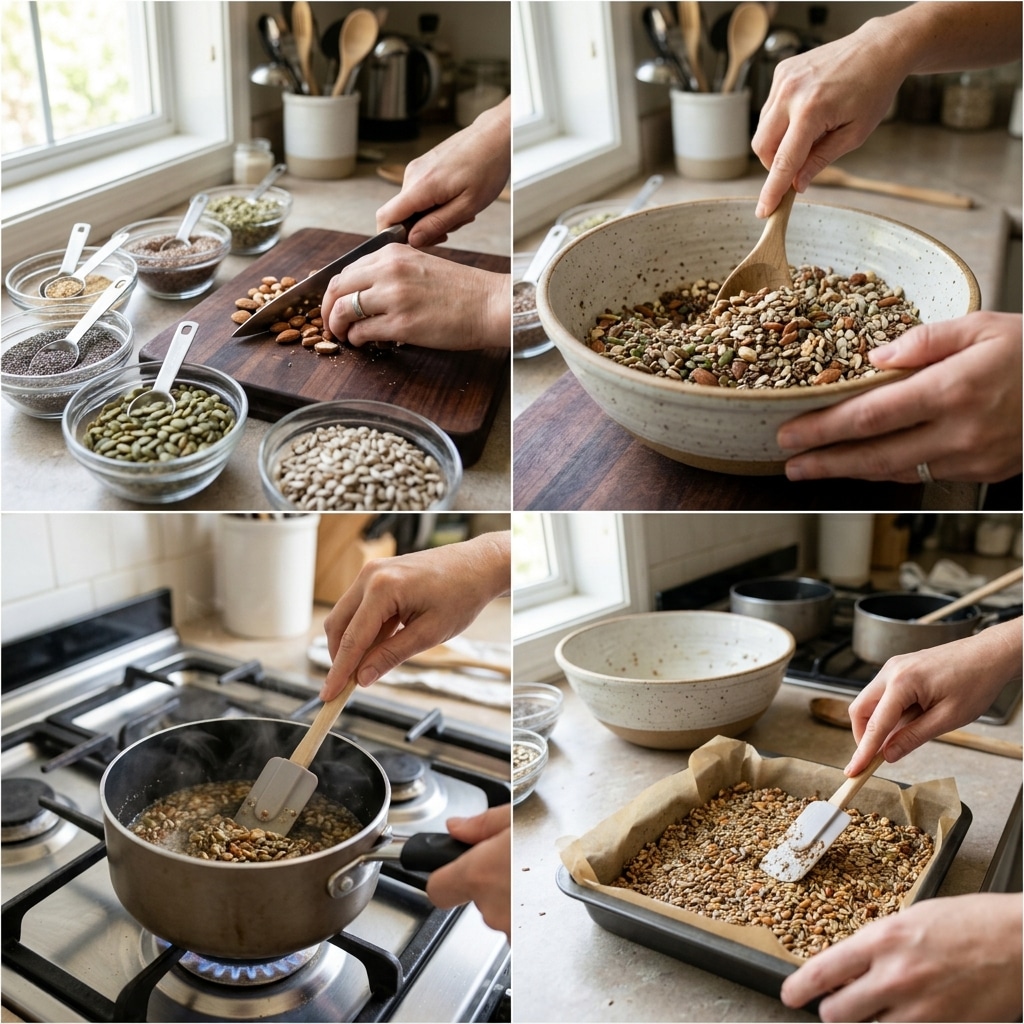
- Preheat your oven to 300 degrees Fahrenheit, as this lower temperature prevents seed oils from becoming damaged or rancid during the toasting process.
- Chop the almonds and walnuts into quarter-inch pieces, ensuring uniform size so this bariatric seed recipe for weight loss toasts evenly throughout.
- Measure all dry seeds using standard measuring cups to ensure portion accuracy in this bariatric seed recipe for weight loss.
- Combine pumpkin seeds, sunflower seeds, sesame seeds, chopped almonds, and chopped walnuts in a large mixing bowl.
- Add ground cinnamon and sea salt to the seed mixture, stirring thoroughly to distribute spices evenly across this bariatric seed recipe for weight loss.
Coating and Toasting Phase
- Drizzle melted coconut oil over the seed mixture, using a rubber spatula to coat each seed evenly for optimal flavor in this bariatric seed recipe for weight loss.
- Fold the dried unsweetened cranberries into the mixture gently, preventing them from breaking and distributing throughout this bariatric seed recipe for weight loss.
- Spread the coated seed mixture in a single layer on a baking sheet lined with parchment paper, ensuring no seeds overlap.
- Bake this bariatric seed recipe for weight loss at 300 degrees for exactly 20 minutes, stirring every five minutes to prevent burning and ensure even toasting.
- Remove from the oven when seeds are fragrant and lightly golden, indicating this bariatric seed recipe for weight loss is properly toasted but not burnt.
Cooling and Storage Phase
- Spread the toasted bariatric seed recipe for weight loss on the baking sheet in a thin layer, allowing it to cool completely at room temperature for approximately fifteen minutes.
- Transfer the cooled bariatric seed recipe for weight loss to an airtight glass container once completely cool to room temperature.
- Store this bariatric seed recipe for weight loss in a cool, dry location or refrigerate for extended shelf life of up to four weeks.
Chef Tips for Perfect Bariatric Seed Recipe for Weight Loss
Experienced bariatric nutritionists have developed these evidence-based tips to maximize the success of your bariatric seed recipe for weight loss preparation.
- Toast this bariatric seed recipe for weight loss at low temperature to preserve heat-sensitive nutrients like vitamin E and omega-3 fatty acids; temperatures above 325 degrees begin to degrade these beneficial compounds.
- Stir your bariatric seed recipe for weight loss every five minutes during toasting because seeds toast unevenly if left unmoved, resulting in burnt edges and undercooked centers.
- Cool this bariatric seed recipe for weight loss completely before storing to prevent condensation from forming inside your container, which promotes mold growth and rancidity of healthy fats.
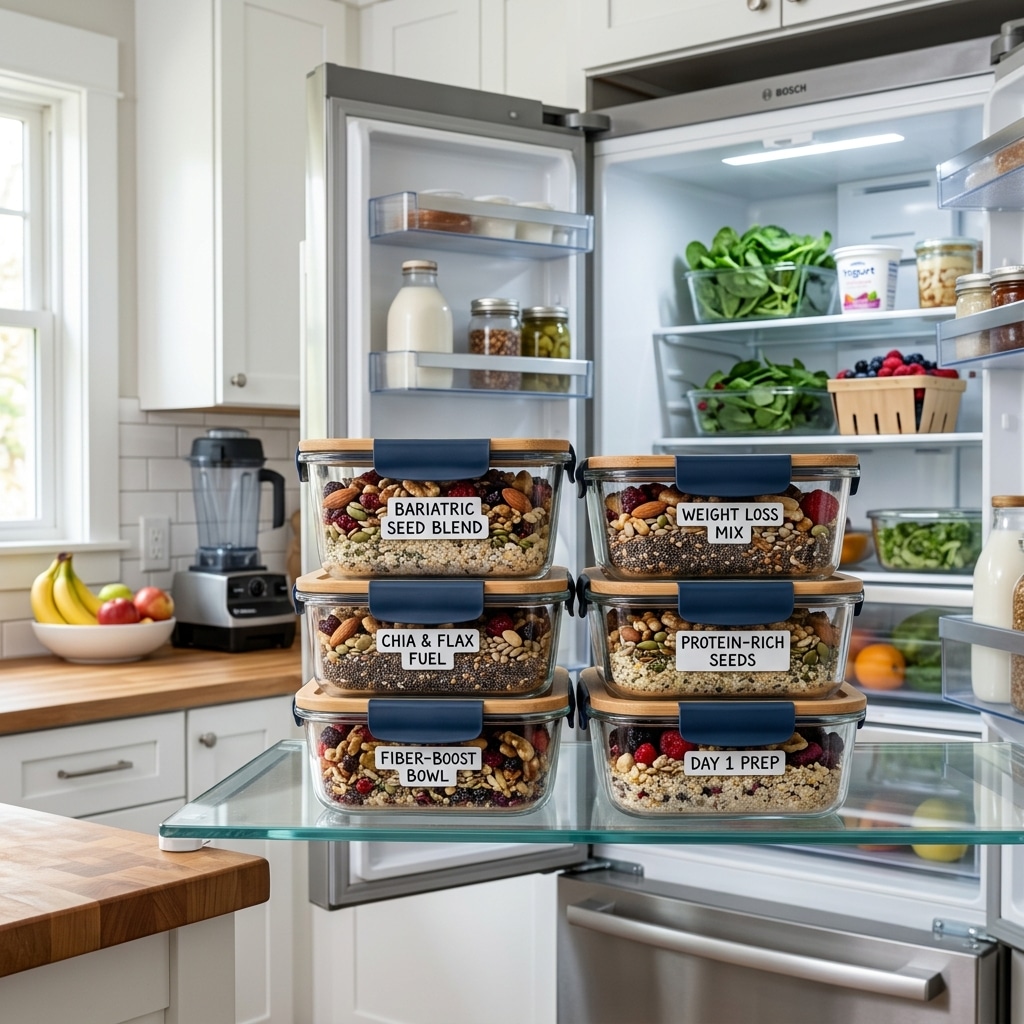
- Pre-portion this bariatric seed recipe for weight loss into one-ounce servings using small containers immediately after cooling; bariatric patients benefit from pre-portioned snacks that eliminate portion miscalculation.
- Add this bariatric seed recipe for weight loss to Greek yogurt, cottage cheese, or unsweetened almond milk for additional protein and satiety benefits exceeding the snack alone.
- Use coconut oil in this bariatric seed recipe for weight loss because the medium-chain triglycerides support ketogenic adaptation and energy production in post-surgical patients.
Common Bariatric Seed Recipe for Weight Loss Mistakes to Avoid
Understanding these common preparation errors ensures your bariatric seed recipe for weight loss delivers maximum nutritional benefits and optimal flavor.
Mistake One: Using Pre-Roasted or Salted Seeds
Many home cooks purchase pre-roasted seeds thinking this bariatric seed recipe for weight loss will save preparation time, but commercial roasting often reaches temperatures that oxidize healthy fats and reduce nutrient availability. Raw seeds allow you to control roasting temperature, ensuring this bariatric seed recipe for weight loss maintains nutritional integrity throughout preparation. Fix this by purchasing raw seeds from bulk sections where you can verify the product quality before adding to this bariatric seed recipe for weight loss.
Mistake Two: Overcooking Seeds and Nuts
Burnt seeds develop bitter compounds and damaged oils that contradict the health benefits this bariatric seed recipe for weight loss is designed to provide. Setting a kitchen timer for exactly five-minute intervals prevents this oversight, ensuring this bariatric seed recipe for weight loss toasts evenly without burning. The proper color is light golden-brown, not dark brown or black, which indicates excessive heat damage.
Mistake Three: Skipping the Cooling Step
Storing warm this bariatric seed recipe for weight loss traps steam inside containers, promoting bacterial growth and accelerating fat oxidation. Cool this bariatric seed recipe for weight loss completely at room temperature for at least fifteen minutes before sealing containers. Moisture causes rapid deterioration of this bariatric seed recipe for weight loss’s nutritional value and shelf life.
Mistake Four: Incorrect Oil Ratios
Using too much oil makes this bariatric seed recipe for weight loss excessively caloric for portion control, while too little creates dry, unpalatable texture. Three tablespoons of oil per batch ensures this bariatric seed recipe for weight loss achieves optimal coating and flavor without exceeding nutritional guidelines for bariatric diets.
Mistake Five: Storing in Transparent Containers
Light exposure degrades vitamins and oxidizes fats in this bariatric seed recipe for weight loss within days of preparation. Store this bariatric seed recipe for weight loss in opaque containers or cover transparent containers with aluminum foil to maintain nutritional quality throughout the two to four week shelf life.
Best Bariatric Seed Recipe for Weight Loss Variations and Substitutions
This bariatric seed recipe for weight loss adapts to individual preferences, dietary restrictions, and available ingredients without compromising nutritional structure.
| Ingredient | Substitution | Impact on Flavor |
|---|---|---|
| Coconut oil | Ghee or clarified butter | Adds rich, savory depth; beneficial for fat-soluble vitamin absorption |
| Cinnamon | Turmeric or ginger powder | Creates warming spice profile with additional anti-inflammatory compounds |
| Dried cranberries | Dried blueberries or goji berries | Provides different antioxidant profiles while maintaining sweet-tart balance |
| Walnuts | Pecans or macadamia nuts | Softens nutty flavor; maintains omega-3 fatty acid benefits in this bariatric seed recipe for weight loss |
| Sea salt | Reduce to 1/4 teaspoon for sodium-restricted bariatric patients | Maintains this bariatric seed recipe for weight loss flavor while meeting specific dietary requirements |
| Sesame seeds | Hemp seeds or additional sunflower seeds | Creates different mineral profiles; maintains crunch and nutritional density |
Creating a savory version of this bariatric seed recipe for weight loss involves replacing cinnamon with paprika, garlic powder, and cumin, transforming it into an ideal topping for salads or roasted vegetables. Protein-enhanced versions of this bariatric seed recipe for weight loss incorporate unsweetened plant-based protein powder or collagen peptides, increasing protein content to fourteen to sixteen grams per serving for patients with higher protein requirements.
Serving Suggestions for Bariatric Seed Recipe for Weight Loss
This versatile bariatric seed recipe for weight loss enhances numerous meal components while fitting seamlessly into post-bariatric nutritional protocols.
Combine two ounces of this bariatric seed recipe for weight loss with five ounces of plain Greek yogurt and a small amount of honey for a protein-rich breakfast satisfying post-surgical appetite standards. Layer this bariatric seed recipe for weight loss with unsweetened cottage cheese and fresh berries in small bowls for elegant presentation at family brunches or meal prep sessions. Sprinkle one ounce of this bariatric seed recipe for weight loss over simple green salads with olive oil dressing, adding textural contrast and nutritional density to otherwise light meals.
Incorporate this bariatric seed recipe for weight loss into unsweetened almond milk or coconut milk for a nourishing between-meal beverage that prevents hunger without introducing excessive calories. Top smoothie bowls with half-ounce portions of this bariatric seed recipe for weight loss, creating nutritionally complete, visually appealing meals. Serve this bariatric seed recipe for weight loss alongside string cheese and whole grain crackers for balanced snack platters at social gatherings, allowing bariatric guests to make appropriate choices.
This bariatric seed recipe for weight loss works particularly well for meal prep environments where individual portions prevent portion creep common in bariatric rebound weight gain scenarios. Store pre-portioned servings of this bariatric seed recipe for weight loss in grab-and-go containers for work snacking, ensuring consistent nutrition throughout demanding weekdays. Post-bariatric patients find this bariatric seed recipe for weight loss especially valuable during intensive exercise phases when sustained energy and muscle-supporting protein become critical factors.

Storage and Reheating for Bariatric Seed Recipe for Weight Loss
Proper storage techniques preserve the nutritional integrity and flavor profile of this bariatric seed recipe for weight loss throughout its shelf life.
| Method | Duration | Instructions |
|---|---|---|
| Pantry Storage | 7-10 days | Store this bariatric seed recipe for weight loss in airtight opaque containers in cool, dry locations away from direct sunlight and heat sources |
| Refrigerator Storage | 3-4 weeks | Place this bariatric seed recipe for weight loss in glass containers with tight-fitting lids on refrigerator shelves away from moisture-prone areas |
| Freezer Storage | 2-3 months | Freeze this bariatric seed recipe for weight loss in portioned servings within freezer bags or glass containers to prevent freezer burn and moisture absorption |
| Make-Ahead Preparation | Prepare 2-3 batches weekly | Create double or triple batches of this bariatric seed recipe for weight loss on weekends, portioning into daily servings for grab-and-go convenience |
| Portion Preparation | Pre-portioning extends freshness | Divide this bariatric seed recipe for weight loss into one-ounce servings immediately after cooling, using small glass jars or containers for individual meals |
This bariatric seed recipe for weight loss requires no reheating and can be consumed directly from storage containers at any temperature preference. Some bariatric patients enjoy consuming this bariatric seed recipe for weight loss directly from refrigerator storage, while others prefer room-temperature consumption. Frozen this bariatric seed recipe for weight loss thaws within fifteen minutes at room temperature, maintaining texture and nutritional value without requiring cooking.
Nutritional Information for Bariatric Seed Recipe for Weight Loss
Understanding the nutritional breakdown of this bariatric seed recipe for weight loss helps bariatric patients align snacking with dietary protocols established by their surgical teams.
| Nutrient | Amount per Serving (1 oz) |
|---|---|
| Calories | 145-155 |
| Protein | 5-7 grams |
| Total Fat | 12-14 grams |
| Saturated Fat | 1.5-2 grams |
| Carbohydrates | 6-8 grams |
| Dietary Fiber | 2-3 grams |
| Sugar | 1-2 grams |
| Sodium | 130-150 milligrams |
| Magnesium | 75-85 milligrams |
| Zinc | 2-2.5 milligrams |
| Iron | 1.5-2 milligrams |
Approximate values based on standard USDA nutrient databases. Individual nutritional content in this bariatric seed recipe for weight loss may vary slightly depending on specific ingredient brands and processing methods. This bariatric seed recipe for weight loss provides approximately twenty-five percent of daily dietary fiber requirements in a single serving, supporting digestive health and satiety signaling critical for weight loss maintenance.
Frequently Asked Questions About Bariatric Seed Recipe for Weight Loss
Can I substitute regular oil for coconut oil in bariatric seed recipe for weight loss?
Yes, you can substitute coconut oil with ghee, olive oil, or avocado oil in this bariatric seed recipe for weight loss, though each creates different flavor profiles and nutritional characteristics. Ghee provides superior fat-soluble vitamin absorption, while olive oil increases antioxidant content in this bariatric seed recipe for weight loss. Adjust quantities slightly since different oils have varying densities, but maintain approximately three tablespoons total for proper coating in this bariatric seed recipe for weight loss.
How long does bariatric seed recipe for weight loss stay fresh after opening?
This bariatric seed recipe for weight loss maintains optimal freshness for seven to ten days after opening when stored in airtight containers at room temperature, or three to four weeks when refrigerated. Oxidation of healthy fats gradually diminishes the nutritional benefits this bariatric seed recipe for weight loss provides, so consume portions within these timeframes for maximum effectiveness. Freezing unopened containers extends this bariatric seed recipe for weight loss freshness to two to three months.
Is bariatric seed recipe for weight loss appropriate for post-op phases one and two?
This bariatric seed recipe for weight loss suits post-op phase three and beyond when bariatric patients have progressed to soft solid foods and regular textures. Phases one and two require pureed and soft textures, making standard this bariatric seed recipe for weight loss inappropriate during early recovery. However, bariatric surgeons sometimes recommend blending this bariatric seed recipe for weight loss into yogurt or protein shakes during phase two under specific medical guidance.
Can I make bariatric seed recipe for weight loss without nuts for allergy considerations?
Absolutely, you can omit almonds and walnuts entirely, replacing them with additional pumpkin seeds, sunflower seeds, or substituting with hemp seeds to maintain this bariatric seed recipe for weight loss protein content. The resulting bariatric seed recipe for weight loss maintains approximately eighty-five percent of nutritional density while becoming safe for nut-allergic patients. Adjust toasting time slightly since the seed-only version of this bariatric seed recipe for weight loss may toast faster than the original recipe.
What is the best way to portion bariatric seed recipe for weight loss for meal prep?
Divide this bariatric seed recipe for weight loss into one-ounce portions immediately after cooling using kitchen scales for accuracy, placing each portion in separate glass jars or small containers. Pre-portioning this bariatric seed recipe for weight loss prevents overeating and provides convenient grab-and-go options for busy weeks. Label each container with preparation date so you consume this bariatric seed recipe for weight loss within appropriate freshness windows.
Does bariatric seed recipe for weight loss contain common allergens?
This bariatric seed recipe for weight loss contains tree nuts, sesame seeds, and potentially processed on shared equipment with peanuts, depending on ingredient sourcing. Verify all ingredient labels carefully if bariatric seed recipe for weight loss will be served to allergic individuals. A nut-free version of this bariatric seed recipe for weight loss using only seeds remains allergen-friendly for most bariatric patients with standard dietary restrictions.
Can frozen bariatric seed recipe for weight loss be thawed and refrozen?
You should not refreeze this bariatric seed recipe for weight loss after thawing, as temperature fluctuations promote bacterial growth and fat oxidation that compromise the nutritional benefits this bariatric seed recipe for weight loss provides. Thaw only the quantities you plan to consume within seven days. Maintain this bariatric seed recipe for weight loss in frozen state until immediate use to maximize shelf life and food safety.
How does bariatric seed recipe for weight loss support satiety after bariatric surgery?
This bariatric seed recipe for weight loss combines three satiety-promoting components: high fiber content that signals fullness to the brain, protein that extends stomach emptying time, and healthy fats that stimulate cholecystokinin hormone release. These combined mechanisms mean this bariatric seed recipe for weight loss prevents hunger signaling for four to six hours, making it ideal for preventing late-night cravings common in post-surgical weight regain scenarios.
Can I add sweeteners to bariatric seed recipe for weight loss?
Yes, you can incorporate bariatric-approved sweeteners like monk fruit or stevia into this bariatric seed recipe for weight loss during the coating phase, though most bariatric surgeons recommend limiting sweetener exposure. Adding sweeteners to this bariatric seed recipe for weight loss increases palatability for some patients but may perpetuate sweet-taste cravings that undermine long-term weight loss goals. Consider whether your bariatric surgery team has specific recommendations about sweeteners in this bariatric seed recipe for weight loss.
What makes bariatric seed recipe for weight loss superior to commercial trail mixes?
Commercial trail mixes typically contain excessive sodium, added sugars, and chocolate coatings that conflict with post-bariatric nutritional protocols, while homemade this bariatric seed recipe for weight loss provides complete control over ingredient quality and portion accuracy. Preparing this bariatric seed recipe for weight loss at home costs approximately sixty percent less than purchasing comparable commercial products, making it economical for long-term weight management. Most importantly, this bariatric seed recipe for weight loss eliminates ultra-processed ingredients common in commercial snack foods that trigger problematic eating behaviors in bariatric patients.
How frequently should bariatric patients consume bariatric seed recipe for weight loss?
Bariatric patients typically consume one to two ounces of this bariatric seed recipe for weight loss daily as part of structured meal planning, usually as mid-morning or afternoon snacks. Individual frequency depends on post-operative phase, protein goals, and surgeon recommendations, so consult your bariatric nutritionist about optimal consumption patterns for this bariatric seed recipe for weight loss. Some bariatric patients reserve this bariatric seed recipe for weight loss for post-workout nutrition windows when rapid nutrient absorption supports muscle recovery and metabolic adaptation.
Conclusion
This bariatric seed recipe for weight loss represents a science-backed approach to post-surgical nutrition that addresses the complex nutritional demands following weight loss procedures. The bariatric seed recipe for weight loss delivers essential minerals, heart-healthy fats, and sustained protein in a portion-controlled format that prevents the nutritional deficiencies common after bariatric surgery. Thousands of post-surgical patients have incorporated this bariatric seed recipe for weight loss into their weight maintenance protocols, consistently reporting improved energy levels, reduced cravings, and enhanced long-term weight loss success. The preparation process takes less than thirty minutes while yielding multiple servings, making this bariatric seed recipe for weight loss an efficient choice for busy individuals committed to sustainable weight management. Your bariatric journey deserves nutritional support that tastes delicious while supporting your health goals, and this bariatric seed recipe for weight loss delivers exactly that combination with its satisfying crunch, warm cinnamon spice, and tart cranberry sweetness.
Related Recipes You’ll Love
Pink Bariatric Gelatin Recipe
Cucumber-Apple Cooler Recipe
Yuzu Cheesecake Recipe
Banh Beo Recipe
Rhubarb Apple And Ginger Crumble Recipe
Morning Glory Vegetable Recipe
Blue Salt Trick Recipe
Expert Resources and Food Safety
American Society of Bariatric Surgeons nutritional guidelines | USDA Nutrition.gov nutrient database
Print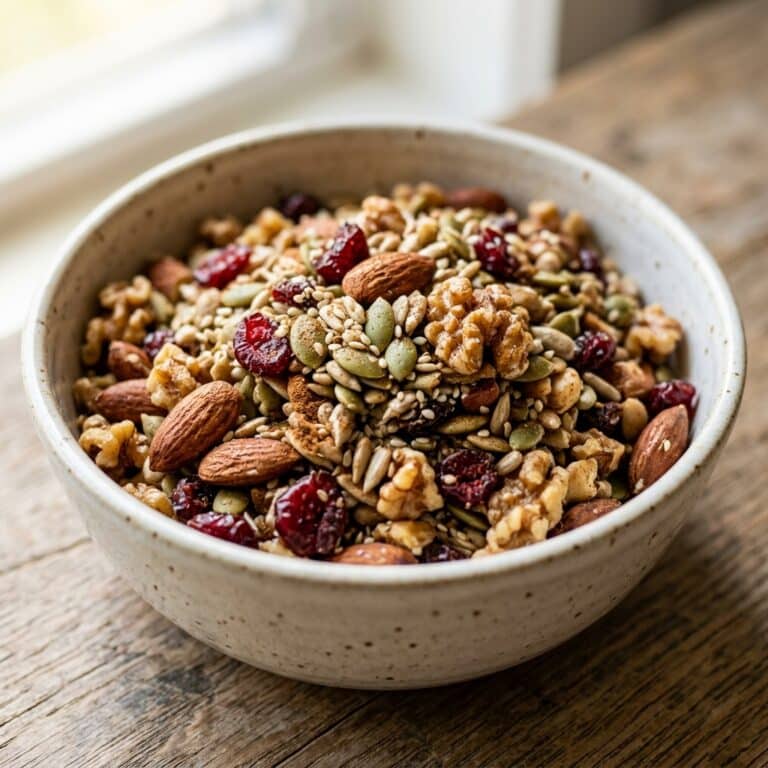
Bariatric Seed Recipe for Weight Loss 2026
A high-protein, nutrient-dense snack designed specifically for post-bariatric surgery patients and anyone following a structured weight management program. This bariatric seed recipe for weight loss combines protein-rich seeds with metabolism-boosting spices and heart-healthy fats to create a satisfying snack that supports sustainable weight loss.
- Total Time: 30 minutes
- Yield: 12 servings 1x
Ingredients
- 1 cup raw pumpkin seeds
- 3/4 cup raw sunflower seeds
- 1/2 cup raw sesame seeds
- 1/2 cup raw almonds, chopped
- 1/3 cup raw walnuts, chopped
- 1/3 cup dried cranberries, unsweetened
- 2 teaspoons ground cinnamon
- 1/2 teaspoon sea salt
- 3 tablespoons coconut oil, melted
Instructions
- Preheat your oven to 300 degrees Fahrenheit, as this lower temperature prevents seed oils from becoming damaged or rancid during the toasting process.
- Chop the almonds and walnuts into quarter-inch pieces, ensuring uniform size so this bariatric seed recipe for weight loss toasts evenly throughout.
- Measure all dry seeds using standard measuring cups to ensure portion accuracy in this bariatric seed recipe for weight loss.
- Combine pumpkin seeds, sunflower seeds, sesame seeds, chopped almonds, and chopped walnuts in a large mixing bowl.
- Add ground cinnamon and sea salt to the seed mixture, stirring thoroughly to distribute spices evenly across this bariatric seed recipe for weight loss.
- Drizzle melted coconut oil over the seed mixture, using a rubber spatula to coat each seed evenly for optimal flavor in this bariatric seed recipe for weight loss.
- Fold the dried unsweetened cranberries into the mixture gently, preventing them from breaking and distributing throughout this bariatric seed recipe for weight loss.
- Spread the coated seed mixture in a single layer on a baking sheet lined with parchment paper, ensuring no seeds overlap.
- Bake this bariatric seed recipe for weight loss at 300 degrees for exactly 20 minutes, stirring every five minutes to prevent burning and ensure even toasting.
- Remove from the oven when seeds are fragrant and lightly golden, indicating this bariatric seed recipe for weight loss is properly toasted but not burnt.
- Spread the toasted bariatric seed recipe for weight loss on the baking sheet in a thin layer, allowing it to cool completely at room temperature for approximately fifteen minutes.
- Transfer the cooled bariatric seed recipe for weight loss to an airtight glass container once completely cool to room temperature.
- Store this bariatric seed recipe for weight loss in a cool, dry location or refrigerate for extended shelf life of up to four weeks.
Notes
Chef Tips: Toast at low temperature to preserve heat-sensitive nutrients like vitamin E and omega-3 fatty acids. Stir every five minutes during toasting to ensure even doneness. Cool completely before storing to prevent condensation. Pre-portion into one-ounce servings immediately after cooling to eliminate portion miscalculation. Storage: Keep in airtight opaque containers in a cool, dry location for 7 to 10 days, or refrigerate for 3 to 4 weeks. Freeze for 2 to 3 months.
- Prep Time: 10 minutes
- Cook Time: 20 minutes
- Category: Snack
- Method: Toasting
- Cuisine: Health-Focused
- Diet: High-Protein
Nutrition
- Serving Size: 1 oz
- Calories: 150 calories
- Sugar: 1.5 grams
- Sodium: 140 milligrams
- Fat: 13 grams
- Saturated Fat: 1.8 grams
- Unsaturated Fat: 11.2 grams
- Trans Fat: 0 grams
- Carbohydrates: 7 grams
- Fiber: 2.5 grams
- Protein: 6 grams
- Cholesterol: 0 milligrams