Ever dreamed of capturing a snowstorm in a jar? Turns out, it’s totally doable—and surprisingly easy. Whether you’re a parent hunting for a magical rainy-day activity or a teacher looking for a classroom-friendly science project, DIY Snowstorm Jars hit the sweet spot of fun and educational. With a few ingredients like baby oil, paint, glitter, and Alka-Seltzer, you can create a swirling winter wonderland right on your kitchen table. According to child development experts, hands-on science activities like this can boost learning retention by over 70%! Let’s dive in and make a mini blizzard you can hold in your hands!
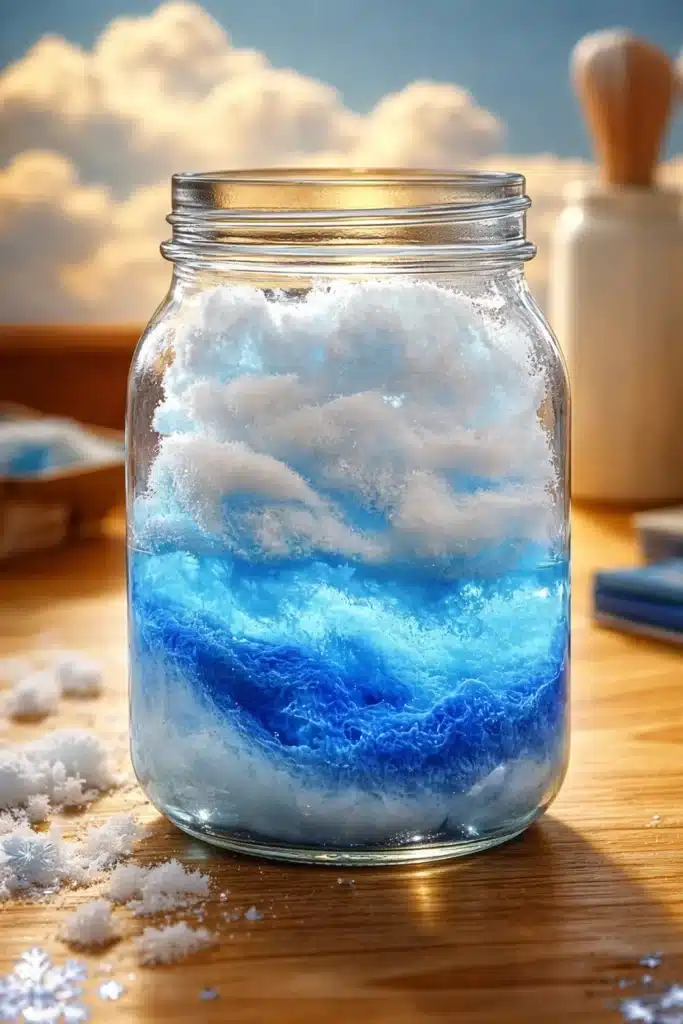
What You’ll Need to Make a Snowstorm Jar
Let me tell you, the first time I pulled together a snowstorm jar, I was totally winging it. I had no idea something so simple could be such a hit with the kids—and honestly, with me too. This isn’t just any craft; it’s a hands-on science activity for kids that doubles as a calming DIY sensory jar. Win-win.
The Must-Haves (and a Few Smart Swaps)
I started with what I had around the house—because who wants to run to the store mid-project, right? Here’s what actually worked:
- Clear glass jar or plastic bottle – Mason jars are cute, but I’ve also used empty peanut butter jars. No shame.
- Baby oil – Gives that slow, dreamy snowfall effect. I once used clear cooking oil when I was in a pinch. It’s cloudier, but hey, still works!
- Water – Preferably filtered. Tap water sometimes makes the mix cloudy.
- White acrylic paint or tempera – You only need a teaspoon or two. I once dumped in a ton thinking more = better. Nope. Just a milky mess.
- Silver or white glitter – Fine glitter looks better than chunky, but go wild.
- Alka-Seltzer tablets – These little guys are the magic behind the fizz. Just make sure it’s the effervescent kind, not the chewable.
- Small bowl and spoon – For mixing the paint and water before adding it in.
Quick Tip: Don’t Use Too Much Paint
Yeah… learned this one the hard way. If the paint’s too thick, it clumps in the oil instead of swirling like a storm. Keep it thin and watery—it’s a STEM project with a visual payoff, not an art class paint dump.
Safety Moment
If you’re doing this with younger kiddos, watch the Alka-Seltzer experiment part closely. The fizz is fun but could surprise them if they’re not ready for it. I usually let my little one drop in the tablet herself, but I always make sure she knows it’s “bubble time” so it doesn’t startle her.
This setup has become our go-to on chilly afternoons when we’re stuck inside. And it’s not just about keeping the kids busy—it sneakily introduces them to basic chemistry. I mean, come on… what other STEM activities for preschoolers can do that in under 10 minutes with stuff from your kitchen?
Step-by-Step Instructions for Making a Snowstorm in a Jar
Alright, you’ve got all your supplies—now it’s time to turn that kitchen counter into your own mini lab. The first time I tried this DIY science project, I honestly thought, “How complicated can it be?” Then I messed it up by adding the Alka-Seltzer too soon. Yep, I made a glitter volcano instead of a snowstorm. Learn from my chaos!
This isn’t just about following directions—it’s about setting the stage for a legit STEM experiment right at home.
Step 1: Fill It Up with Baby Oil
Pour baby oil into the jar until it’s about three-quarters full. No need to measure—just eyeball it. The oil creates that dreamy, slow-motion snowfall look. If you’re using a plastic bottle, squeeze it a little to make sure it’s not cracked (yep, another lesson learned).
Step 2: Mix the “Snow Paint”
In a small bowl, mix about 1–2 teaspoons of white acrylic or tempera paint with a splash of water. It should look like milk, not yogurt. I once made it too thick, and the paint just sank like a rock instead of swirling like snow. Stir in some glitter here, too—more sparkle, more magic.
Step 3: Add the Milky Mixture to the Jar
Slowly pour your paint-water-glitter mix into the jar. It’ll sink under the oil like a weird science lava lamp. Let it settle for a minute. This is where the suspense builds—it’s like prepping for a snowstorm in a jar, and the sky’s about to crack open.
Step 4: Let the Magic Happen (Add the Tablet!)
Now for the fun part! Break an Alka-Seltzer tablet into a couple of pieces. Drop one in and watch what happens. Bubbles start fizzing, paint swirls upward, glitter dances—it’s like watching a snow globe come alive. This is where I usually yell, “Here comes the storm!” to hype the kids up. Works every time.
Step 5: Repeat and Tweak
Once the fizz dies down, drop in another piece. You can keep the fun going as long as you want. I even tried adding food coloring once for a blizzard-with-a-twist vibe. Totally recommend.
This whole thing is such a hit because it’s a kids science activity that looks like play but teaches real stuff—like chemical reactions, liquid density, and cause-effect logic. Plus, it’s just plain cool. If you’re wondering how to make a snowstorm in a jar and actually enjoy doing it? This is it.
How It Works – The Science Behind the Snowstorm
Okay, let’s get nerdy for a second—in a fun way, I promise. The first time we did this science experiment for kids, my daughter asked, “Is this magic or science?” And honestly, I had to Google it before answering. Turns out, it’s all about STEM learning in disguise.
Oil vs. Water: A Classic Showdown
So here’s the deal: Oil and water don’t mix. Ever. Oil is lighter, so it floats on top. That’s why when you pour in your white paint and water mix, it sinks right through the oil like snow falling through clouds. It’s a density experiment happening right in front of your eyes.
I didn’t realize this the first time and thought something was wrong when it all just sat there in layers. Nope. That’s exactly what it’s supposed to do.
The Alka-Seltzer: Bubble-Powered Blizzard
The real storm starts when the Alka-Seltzer hits the bottom. That fizzy tablet reacts with the water-based paint, releasing carbon dioxide gas. The gas forms bubbles that push the paint and glitter up into the oil. When the bubbles pop, the glitter and paint drift back down like snowflakes.
Boom—chemical reaction 101. It’s like watching a science lesson, but without the boring textbook. I still remember the squeal my son made when the glitter started spiraling up like it had a mind of its own.
Why It’s So Dang Cool
Honestly, it’s hard not to watch it over and over again. And the kids? They’re learning the basics of gas formation, liquid density, and even kinetic energy—without even knowing it. Plus, it’s such an easy way to explain how different materials interact.
It’s weirdly calming too. We actually started keeping one of these jars on a shelf next to my kiddo’s reading nook. Whenever she’s fidgety, she drops in a tablet and just watches it swirl. Science + mindfulness = parenting win.
So yeah, it’s not magic—it’s science. But it feels like magic. And that’s what makes this little STEM project so stinkin’ cool.
Creative Variations to Try
Once you’ve nailed the classic version, trust me—you’ll want to start getting wild with it. I didn’t think much about switching things up at first, but then my youngest asked, “Can we make a rainbow storm?” And that’s when we started experimenting like mad scientists with glitter.
This part is where your DIY science project gets a personal twist.
Color Combos That Pop
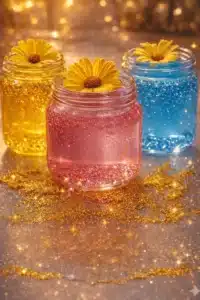
One of the easiest changes? Just switch up your glitter and paint colors. We’ve made:
- A gold and white “New Year’s Eve” storm
- Blue and silver for a “Frozen” vibe (yep, that one’s on repeat)
- Red and green for Christmas magic
Use food coloring in the water-paint mix for even more pop. A drop goes a long way.
Add Tiny Figurines
Okay, this one was a hit during winter break. We dropped in tiny plastic snowmen and trees (from a dollar store pack) before sealing the jar. When the storm kicks up, it looks like they’re trapped in a mini blizzard. The kids went nuts over it.
Definitely one of our favorite sensory bottle ideas so far.
Layer Different Oils for Experiments
This one’s a little extra, but if you’re into the science side, try layering baby oil and mineral oil. They move differently and give you even slower glitter movement. Just don’t shake the jar too hard—speaking from experience here.
Themed Jars for Every Season
Who says snowstorms are just for winter? We’ve done:
- Glitter lava jars for summer (orange and red)
- Rainy day jars with blue glitter and gray paint
- Even a spooky purple and black version for Halloween
Every new version turns into a fresh STEM craft or seasonal project. It’s one of those creative winter activities that easily rolls into the rest of the year.
Tips for Storing and Reusing Your Snowstorm Jar
Alright, let’s talk about the part nobody ever thinks about until after the glitter’s settled—how to store this thing. After our first storm-in-a-jar session, I just shoved the jar on a shelf and figured we were done. Spoiler alert: a half-sealed lid and curious toddler fingers don’t mix.
If you’re turning this into a go-to STEM activity at home, here’s how to make your snowstorm jar last longer and stay mess-free.
Seal That Lid Tight (Really Tight)
I learned this one the hard way—glitter + carpet = regret. If you’ve got really young kids, you can superglue the lid shut after you’re done adding tablets. That way, it becomes a shake-and-watch sensory jar for kids without the risk of spills.
If you want to keep reusing it with tablets, skip the glue but twist it on super tight. I sometimes wrap a rubber band around the lid just to be extra safe.
Store Upright and Out of Sunlight
Heat and direct sunlight mess with the paint-water mix and make it cloudy over time. We keep ours on a high shelf near the kids’ books—not only does it look cute, but it stays safe and ready to fizz.
Avoid leaving it in hot cars or on windowsills. Just trust me on that.
Keep Extra Tablets Handy
This might sound obvious, but have a stash of Alka-Seltzer nearby so you don’t lose momentum when the kids shout, “Let’s do it again!” We keep ours in a labeled little jar right next to the snowstorm one. It’s like our science shelf now.
When It Gets Gunky… Reset It
Over time, the paint settles weird or the glitter clumps up. No shame in dumping it out and starting fresh. That’s part of the fun—it’s a reusable science experiment, not a forever decoration. You’re supposed to play with it.
Bonus: Label It!
If you’re doing variations, toss on a label with the “storm name” or colors. We had “Blizzard Blast,” “Stormy Sky,” and even “Glitterpocalypse.” Gives the kids ownership, and let’s be real, it’s adorable.
So yeah—don’t just toss it on a shelf and forget it. With a little care, your snowstorm jar can be the coolest (and calmest) thing you reach for when the kids need a screen-free reset.
And there you have it—a swirling, fizzing, glitter-filled winter STEM project that’s as fun to make as it is to watch. Who knew a few drops of oil, a splash of paint, and a fizzy little tablet could make you feel like a snow wizard?
This isn’t just some cute craft for the shelf (though it does look great there). It’s hands-on learning, sensory magic, and screen-free play rolled into one jar. Whether you’re wrangling toddlers on a rainy day, looking for a quick DIY kids activity, or just want something fun and soothing to stare at—snowstorm jars totally deliver.
So go on—grab those supplies, let the kids go wild, and see what kind of glittery blizzards you can whip up together. And hey, if you had fun with it (I bet you will), do me a favor: pin this project to your “Kids Crafts” or “Science Fun” board on Pinterest. Let’s get more parents and teachers in on the stormy fun!
Got your own twist on the snowstorm jar? I’d love to hear it—seriously. Share your version, name your storm, and keep the fizz going.

This is a wonderful idea to do with the Grandkids. I have a question – Can you glue the trees and snowmen to the bottom of the jar so they don’t move?
Would love to have your idea on that.