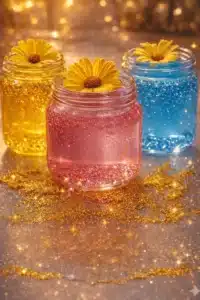
Ever seen a rainbow burst into bubbles on your kitchen table? 🎇 This Fireworks Rainbow Sugar Explosion experiment isn’t just a mouthful — it’s a showstopper. Whether you’re looking for a hands-on science experiment, a rainy-day boredom buster, or a magical way to teach chemical reactions, this one hits the sweet spot (literally!). With a few pantry staples like sugar, baking soda, and vinegar, your kiddos can create their very own fizzy rainbow masterpiece. And guess what? It’s as educational as it is explosive! Let’s dive in and stir up some sparkling science fun.
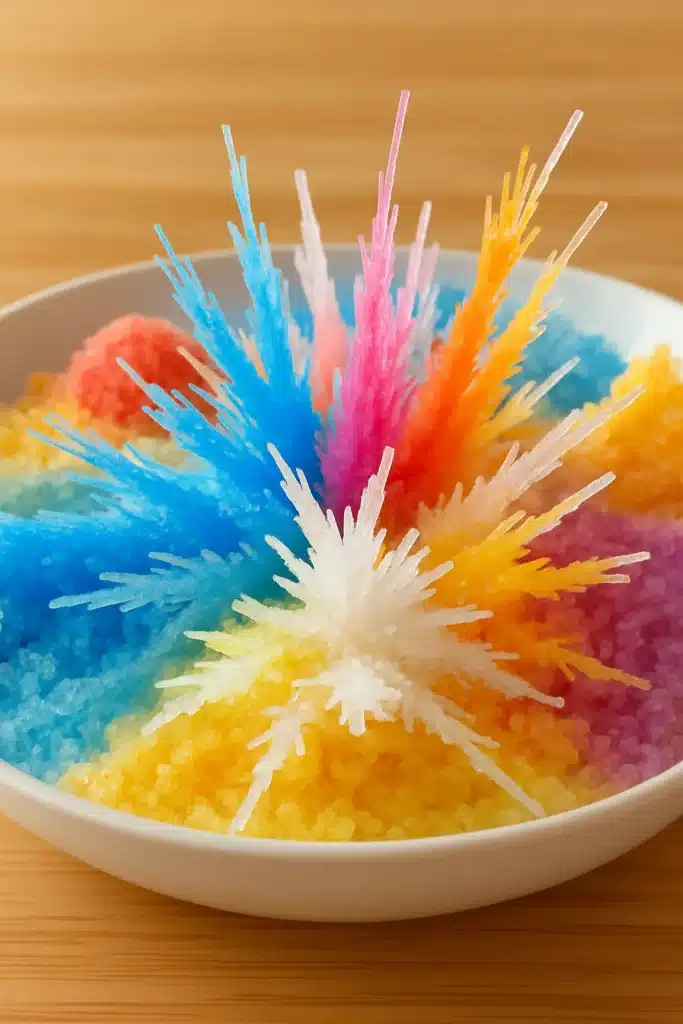
Materials You’ll Need for the Rainbow Sugar Explosion
Let me tell ya — there’s nothing worse than getting the kids hyped for one of those DIY science experiments for kids and realizing halfway through that you’re out of vinegar. 😩 Been there. That’s why I always start by laying everything out like I’m prepping for a baking show.
Here’s the good news: this fizzy rainbow magic only needs stuff you probably already have in your kitchen. That’s the beauty of STEM activities at home — no fancy kits, no panic trips to the store. Just grab what you’ve got and get ready to wow some little minds.
The Basics: What You Must Have
- White sugar (1 cup): Regular granulated is perfect. The whiter the better — it makes the colors pop like fireworks.
- Shallow white plate or dish: I use an old ceramic dinner plate. It works way better than a bowl ’cause you want those colors to spread.
- Food coloring: Red, blue, yellow, green, purple. I like using gel coloring — it’s vibrant, and you only need a tiny drop.
- Warm water (1/4 cup): Helps dissolve the baking soda better than cold.
- Baking soda (1 tablespoon): Good old Arm & Hammer. Cheap and cheerful.
- White vinegar (1/4 cup): Any kind will do, but clear white vinegar shows the colors off best.
- Dropper, spoon, or squeeze bottle: I’ve used everything from a turkey baster to a kid’s medicine syringe. Doesn’t matter what — just something to drizzle.
- Optional: glitter or edible shimmer dust: Total game changer if you’re feeling fancy. My daughter insists we add “fairy dust” every time.
Real Talk: Stuff That Tripped Me Up
The first time I tried this? I used a blue plate. Rookie mistake. The colors just disappeared. Also — don’t skip the warm water part. Cold water doesn’t dissolve the baking soda fast enough and your fizz turns into a dud. I learned that one the hard way while two kids stood there looking like I ruined Christmas.
Oh — and don’t overdo the vinegar. A little drizzle goes a long way. One time I poured half the bottle and the whole thing turned into a bubbly soup mess. Still fun… but not what we were going for. 😂
Pro Tip: Make It Part of a Kit
If your kids are like mine and constantly ask for “another experiment,” I highly recommend making a mini home science kit. Toss all this stuff into a basket and you’re ready for rainy day magic anytime. Bonus: it keeps them off screens for like… 20 glorious minutes.
This experiment is hands down one of the most exciting chemistry experiments for kids that doesn’t need a lab coat. Just sugar, fizz, and wide eyes.
Next up? I’ll walk you through exactly how to make this rainbow magic happen step-by-step.
Step-by-Step Instructions for the Sugar Explosion Experiment
Alright — you’ve got all your goodies laid out, the kitchen’s cleared (well, mostly 😅), and the kids are bouncing like they just had a triple espresso. Let’s dive into this fizzy, rainbow-filled wonderland. I promise this is one of those simple science experiments that delivers big-time results without frying your brain.
Step 1: Set the Sugar Stage
Start with your shallow white plate. Pour in 1 full cup of granulated sugar and smooth it out so you’ve got a nice even layer. Think of it like frosting a cake… but way less sticky. The sugar acts like a blank canvas for your rainbow masterpiece.
Quick tip: If the sugar’s piled too thick, the reaction won’t reach all the color drops. Keep it even and shallow.
Step 2: Dot Your Colors Like a Pro
Using your dropper, spoon, or squeeze bottle, add tiny drops of food coloring all over the sugar. This is the fun part — let the kids go wild! We usually go for a STEM rainbow pattern but honestly, random blobs look just as cool.
Don’t skimp on the color. A good dollop will make the swirl effect way more dramatic. Too little, and it just looks… meh.
Step 3: Make the Magic Mix
In a separate small bowl or cup, stir 1 tablespoon of baking soda into 1/4 cup of warm water. Make sure it’s fully dissolved — if it’s still gritty at the bottom, stir some more. I always say, “if your spoon’s not tired, you’re not done.”
This step’s what separates your fun fizz from a flat flop. You wouldn’t believe how many STEM science project fails I’ve had from undissolved baking soda.
Step 4: Drizzle & Watch the Swirls Begin
Now the magic starts. Slowly — and I mean slowly — drizzle the baking soda mix over the sugar. Don’t pour it like milk on cereal. A light hand works wonders.
You’ll start to see the food coloring leak into the sugar and swirl like a lava lamp. Kids go NUTS at this part. It’s like watching a galaxy form in real time.
Step 5: Add the Vinegar — Cue the Fireworks!
Here comes the big boom 💥. Using your dropper or spoon again, slowly add white vinegar to the plate. The fizzing begins immediately, and the colors start popping and mixing like crazy.
We usually chant “3…2…1…FIZZ!” before we add it. Makes the whole thing feel like a mad science countdown.
This is exactly why I love it more than most kids chemistry set activities — no need to measure milliliters or wear goggles. Just watch the chemical reaction in real life!
Step 6: Sprinkle in Some Sparkle (Optional But Awesome)
Got glitter? Use it. Right before the vinegar hits or right after the fizz stops, give it a sprinkle. It adds this magical shimmer that turns your rainbow into something out of a fantasy book.
Repeat if You Dare
The beauty of this thing? You can totally reset and do it again. Just dump the mix, wipe the plate clean, and start fresh. My daughter once made five in a row like she was launching a fireworks show.
This part is always the showstopper during playdates. It’s colorful, it’s fizzy, it’s messy just enough — and the science behind it sneaks in while they’re having fun.
The Science Behind the Rainbow Explosion
Okay, confession time. The first time I did this with my daughter, I totally winged it on the science. She asked, “Why does it do that?” and I said something genius like, “Uh… it’s magic bubbles.” 😂
Now that I’ve actually looked it up (thank you, YouTube rabbit holes and middle school flashbacks), I can give you the real scoop. And guess what? This little kitchen carnival is secretly an epic kids chemistry experiment.
Here’s What’s Happening Under the Fizz
The star of the show is a classic acid-base reaction. When baking soda (a base) meets vinegar (an acid), it creates carbon dioxide gas. That gas escapes as bubbles — aka the fizzy explosion. It’s the same basic reaction that powers homemade volcanoes, but with way more flair.
The food coloring just rides the wave, swirling and dancing through the sugar as the bubbles push it around. No fancy tools, no explosions (except tiny rainbow ones), but a total “aha!” moment every time.
The Sugar’s Secret Role
Now, here’s the cool twist: the sugar isn’t just there to look pretty. It slows everything down a bit, giving you time to actually watch the colors spread and swirl. It’s like adding molasses to a race — suddenly you can see the reaction instead of just hearing a fizz and poof, it’s gone.
I swear, watching the food dye snake through the sugar is straight-up mesmerizing. Kinda like a lava lamp science experiment without the mess or heat.
Talk Nerdy to Me: CO₂ in Action
This experiment is one of those rare STEM activities for home that’s both exciting and sneaky educational. You’re teaching your kid how gas forms and moves through a liquid and solid at the same time — without ever cracking a textbook.
Plus, if they’re learning about chemical reactions in school, this locks it in. I had my son do a whole science fair poster on this. He called it “Rainbow Kaboom.” Got second place. (Still bitter.)
Fun Science Facts to Drop While It Fizzes
- The bubbles you see are pure carbon dioxide gas escaping into the air.
- The fizzing stops once all the baking soda reacts with all the vinegar.
- Warm water helps the reaction happen faster — science is all about energy!
- Add more vinegar, and the fizz returns… like a zombie reaction. ☠️
Honestly, this is what makes it one of my favorite hands-on science activities for kids. It’s not just messy fun — it’s the kind of messy fun that teaches, inspires, and gets their curiosity revving. And you don’t even need a lab coat.
Wanna take it up a notch? Next I’ll show you how to remix the experiment with fun variations using glitter, neon colors, and holiday themes.
Fun Variations to Try with Your Rainbow Sugar Project
Alright, so you’ve done the classic version and the kids are like, “Can we do it again?” And you’re thinking… same experiment, five times in a row? Nope. Time to shake things up.
Here’s the fun part about this fizzy color bomb — it’s a blank canvas for all kinds of creative science activities. Over the past year, we’ve turned this into everything from a spooky Halloween fizz to a glitter-packed fairy potion. Trust me — with just a few tweaks, you can ride this one all year long.
Add Glitter for a Sparkle Storm
Glitter is like the sprinkles of the science world. Add it before the vinegar and BOOM — you’ve got what we call a “unicorn explosion.” I’ve even tried edible shimmer dust (yep, it’s a thing) and it made the whole plate sparkle like a wizard’s dinner plate.
Just don’t use too much. Unless you enjoy finding glitter in your toaster six months later. 🙃
Switch Up the Food Coloring Game
We’ve tried neon food coloring, pastel shades, even natural dyes from beet juice and turmeric. The neon stuff? Chef’s kiss. It turns this into a glow party on a plate. The pastels are pretty but a bit more mellow. Great for spring-themed fun.
Pro tip: Add a drop of dish soap to see even weirder swirls. It messes with the surface tension and makes it look like the colors are dancing.
Try Different Shapes and Designs
Instead of just dropping food coloring randomly, let your kid “paint” a rainbow shape, or even make holiday themes — we did:
- 🎃 Orange, black, and purple swirls for Halloween
- ❤️ Pinks and reds with heart drops for Valentine’s Day
- 💚 Greens and golds for St. Patrick’s Day
- 🎄 Red, green, and white for a Christmas fizz fest
It turns a regular fizz into a full-blown holiday science experiment.
Make It Competitive (If You Dare)
We did a “Fizz-Off” last summer. Each kid got their own plate and had to come up with the most epic design before the fizz began. Winner got to dump all the leftover vinegar. Chaos? Yes. Worth it? Also yes.
Use Different Acids or Bases
Want to go a little deeper into the experiment? Try lemon juice instead of vinegar, or experiment with powdered citric acid. You can even try washing soda instead of baking soda. It changes the reaction a bit, which makes it one of the more advanced STEM experiments for kids.
I didn’t realize how cool this variation could be until my oldest said, “Mom, it fizzed longer with lemon juice!” I felt like Bill Nye in pajamas.
That’s the magic of this project — it’s endlessly remixable. One day it’s a science lesson. The next, it’s a glitter bomb with a holiday twist. You’ll never get “Ugh, this again” if you keep spinning new versions.
Clean-Up Tips and Safety Notes for Parents
So the fizz has fizzled, the kids are pumped like they just ran a marathon on Skittles, and your kitchen looks like a unicorn exploded. Deep breath. I’ve got you. Cleaning up after this is almost as easy as setting it up — if you know the tricks.
And hey, I’m a mom who’s made the mistake of doing this on a carpet. Once. 😬 Learn from me.
Start with the Right Setup (Before the Chaos Begins)
Look, if you want to make this one of those easy cleanup kids activities, start smart:
- Use a tray or baking sheet under the plate to catch spills.
- Toss an old towel or newspaper on the table.
- Keep a damp cloth on standby. Trust me on this one.
Doing this on a hardwood table? No worries. Tile floor? Even better. Just… avoid that shag rug in the playroom.
Vinegar Smell? Lemon Slices to the Rescue
I’ll be honest — vinegar stinks. Especially when it’s been sitting in sugar and food coloring. I usually wipe down the surface with a bit of lemon juice or just let the kids scrub it themselves with some sudsy water. It’s their mess, right? 😂
This part turns into a mini preschool STEM activity if you spin it right. “Let’s see which cloth picks up the color fastest!” Boom — you’re doing science and chores.
What to Watch Out For (Safety Notes from Experience)
While this is 100% one of the most safe science experiments out there, a few things to keep in mind:
- Don’t eat it. I know it looks like candy and bubbles, but it’s still vinegar and dye. I caught my toddler mid-slurp once. 🤦♀️
- Staining alert: Some food coloring (especially red and blue) will stain clothes and certain plates. Go with a white ceramic dish or a plastic one you don’t care about.
- Supervise younger kids. The ingredients are harmless, but that doesn’t mean they should go full Mad Scientist mode without you nearby.
Bonus Tip: Make It a Two-in-One Activity
After the fizzing stops, hand them a sponge and say, “Now we get to make it disappear like magic!” You’d be amazed how fast they jump into “clean-up science mode.” I like to think of it as a built-in life skill booster.
So there you go — safe, cheap, and easy on the cleanup. This is one of those STEM for preschoolers activities I keep in my back pocket for rainy days, playdates, or anytime they need a splash of “Whoa, that was cool!”
And just like that — kaboom! You’ve just turned a handful of kitchen staples into a full-blown science show. This Fireworks Rainbow Sugar Explosion isn’t just about fizzy fun — it’s one of the most surprisingly effective educational activities for kids I’ve ever stumbled into. It teaches, it sparkles, it makes messes you’ll actually smile about. 🤯✨
Whether you’re homeschooling, hosting a rainy-day playdate, or just trying to sneak some learning into the chaos of everyday life, this experiment checks all the boxes. It’s visual, interactive, super low-cost, and honestly? It gets kids genuinely excited about STEM projects at home. That’s a win in my book.
And if your little ones are anything like mine, they’ll be begging to do it again the next day. Maybe with glitter. Maybe with neon food dye. Maybe on your countertop when you’re not looking. (Oops.)
So hey — if this rainbow explosion brought some color (and joy) into your home, why not pay it forward? 📌 Pin this guide to your Pinterest board so other parents and teachers can discover the fizzy magic too. Share your creations, your fizz fails, your glitter bombs — and let’s keep the science fun rolling.